
By Dr. Bruce Mark, DC | Hollywood Laser Pain Center | Hollywood, Florida
Nerve pain following injury, often described as shooting, electric, burning, or stabbing in quality, signals damaged or irritated neural tissue and ranks among the most difficult pain experiences to treat through conventional means. Patients in Hollywood, Hallandale Beach, Miramar, Fort Lauderdale, and across Broward County who have sustained traumatic injuries, repetitive stress damage, or surgical procedures involving ongoing nerve symptoms often find the path forward unclear. The Regenerative Medical Laser™ protocol is one approach used at our clinic for post-injury nerve symptoms, applying laser therapy along the affected nerve pathway.
Post-injury nerve pain often does not improve with time and symptom management alone when underlying nerve damage remains unaddressed. Research into nerve recovery has focused on supporting axonal repair and myelin regeneration, not only suppressing pain signals.
At Hollywood Laser Pain Center, I have practiced in Hollywood, Florida for more than 27 years, working with patients who present with post-traumatic nerve symptoms. My multilingual practice serves patients in English, Spanish, Russian, and Haitian Creole, making care accessible to Broward County’s diverse communities, including those historically underserved by standard pain medicine.
Why Does Post-Injury Nerve Pain Persist?
Post-traumatic nerve pain can result from direct nerve injury such as laceration, crush, stretch, or compression. It can also stem from the inflammatory environment that a significant tissue injury creates around adjacent nerve structures. Even when the original injury heals, sensitized nerve fibers can continue firing abnormal pain signals for months or years.
The peripheral nerve system has genuine but limited regenerative capacity. Axons can regrow after injury at a rate of approximately one millimeter per day, though the quality of that regeneration, and whether it proceeds in an organized, functional direction, depends heavily on the biological environment in which it occurs. Chronic inflammation impairs nerve regeneration. Pro-inflammatory cytokines disrupt Schwann cell function (the cells responsible for producing myelin, the nerve’s insulating sheath) and create a chemically hostile environment for advancing axons.
Research literature on laser therapy in this context describes reductions in inflammatory mediators along with effects on Schwann cell activity and nerve growth factor production.
What Does the Research Say About Laser Therapy for Post-Injury Nerve Pain?
The Regenerative Medical Laser™ protocol at Hollywood Laser Pain Center applies laser therapy along the course of the injured nerve pathway, from the site of injury toward the peripheral distribution, with treatment parameters calibrated to the depth and nature of the neural tissue targeted.
Research indexed by the National Institutes of Health has examined photobiomodulation’s effects on peripheral nerve injury, including measures such as axonal regrowth, myelin thickness, and nerve conduction velocity in nerve injury models. Published systematic reviews have explored how photobiomodulation relates to nerve function and pain measures in peripheral neuropathy populations.
What Does Graston Technique Add for Post-Injury Nerve Patients?
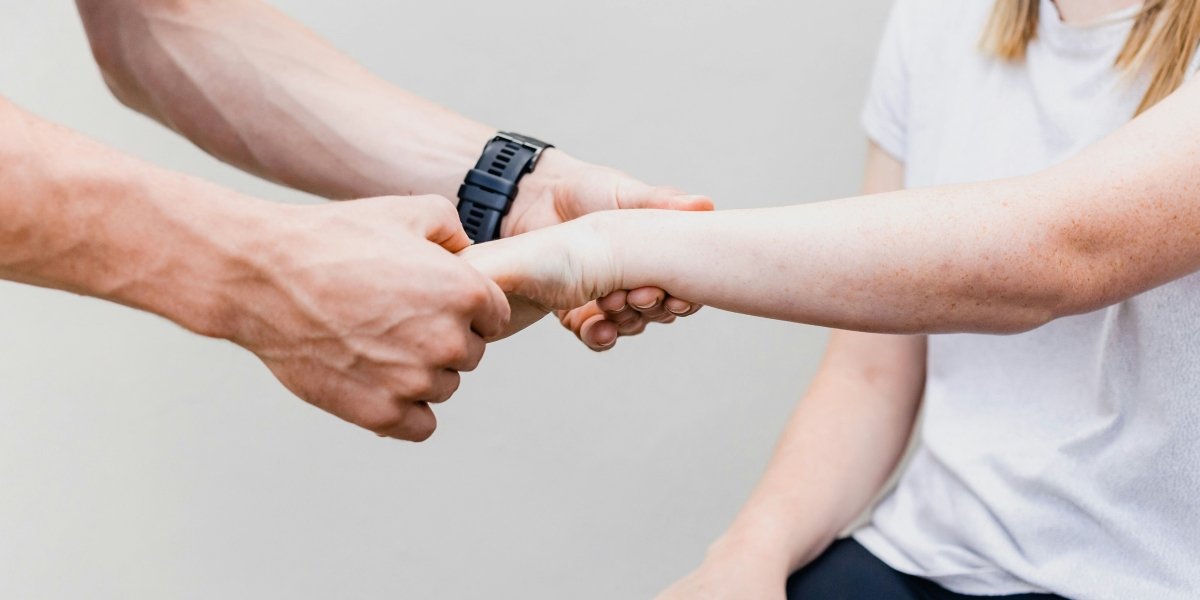
After injury, nerves that traverse fascial tunnels or pass through areas of scar tissue can become mechanically restricted, no longer able to glide freely with movement. This neurodynamic impairment generates pain when the nerve is stretched, contributing to the burning and tingling symptoms that post-injury patients experience with certain positions or activities.
Graston Technique is used to address fascial restrictions that can impede nerve mobility, particularly in areas where scar tissue has formed after injury or surgery. When combined with laser therapy as part of a comprehensive treatment plan, the protocol targets both mechanical and biological aspects of post-injury nerve recovery.
What Does Health Equity Mean for Nerve Pain Care in Broward County?
Research confirms that Black Americans and other underserved populations receive less pain treatment than white patients for identical conditions across clinical settings, a disparity documented in the Journal of Pain Research. Nerve pain after injury, combined with disproportionate rates of diabetes (which can compound peripheral nerve damage), means that Broward County’s diverse communities carry an elevated burden from post-injury nerve conditions. Every patient at Hollywood Laser Pain Center receives the same evaluation and access to the same protocols, regardless of background.
More information about the practice is available at reliefnowlaser.com/providers/hollywood/ (do-follow). Patient education content is available at youtube.com/@ReliefNowNation (no-follow). Hollywood Laser Pain Center is located at 2607 Polk Street, Hollywood FL 33020 and can be reached at 954-925-7333.
About the Author
Dr. Bruce Mark, DC | Hollywood Laser Pain Center | 2607 Polk Street, Hollywood FL 33020 | 954-925-7333 | reliefnowlaser.com/providers/hollywood/
Dr. Mark earned his Doctor of Chiropractic from Logan College of Chiropractic and has practiced for more than 27 years in Hollywood, Florida. He holds certifications in Graston Technique and acupuncture, is a former collegiate football player at Wake Forest University, and practices at Broward Medical and Rehab. He communicates with patients in English, Spanish, Russian, and Haitian Creole. He is a provider in the national ReliefNow® network.
Disclaimer: The information provided in this article is for general informational purposes only and should not be construed as medical advice. The effectiveness of treatments may vary depending on individual circumstances. Consult a qualified healthcare professional to discuss your specific medical needs and treatment options.