

By: Andy McKenn
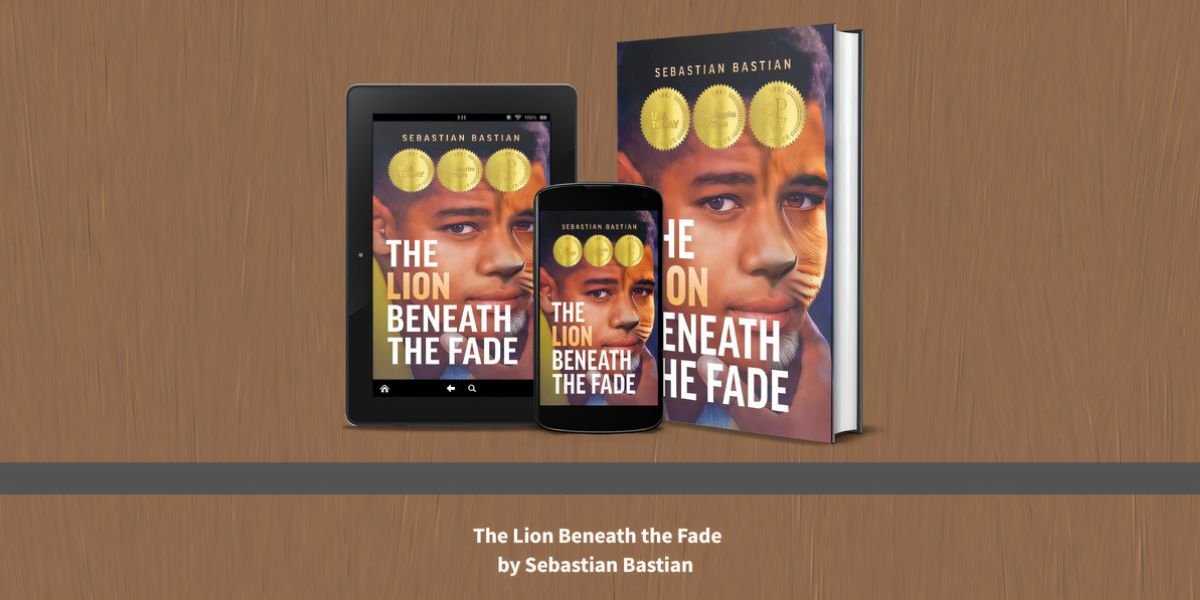
There is a moment early in The Lion Beneath the Fade where Sebastian Bastian describes his earliest entrepreneurial venture with such good-natured self-deprecation that you immediately understand what kind of book you are reading. The incident, which he calls DoorDash 94, involved smuggling fast food into a school cafeteria and represents his first real attempt to see an opportunity where the rules said there wasn’t one. The fact that he leads with that story rather than one of his more impressive accomplishments tells you everything important about his approach to this book and to the subject of entrepreneurship more broadly. He is not interested in the mythology of success. He is interested in the thinking that precedes it, and he is willing to start that story from the very beginning.
What reading this book feels like is a genuinely honest conversation with someone who has built more than most people will in several lifetimes and who has retained through all of it a quality of clear-eyed self-assessment that is considerably rarer than the achievements themselves. Bastian writes about his failures and near-failures with the same specificity he brings to his successes, and that balance gives the book a credibility that purely triumphalist entrepreneurial narratives never achieve. You trust the framework he is offering because you can see the full picture of the experience it came from.
The themes the book explores are ones that will resonate with anyone building something significant from a starting point that the conventional success narrative did not design for. The argument that geography is not destiny, that the constraints of building in a small island economy can become advantages when approached with the right strategic mindset, is made through the specific story of how Bastian turned The Bahamas from a perceived limitation into a genuine competitive context that taught him things about building lean, adapting quickly, and understanding community that larger markets rarely force their entrepreneurs to learn. His later expansion across Central America and the Caribbean through companies like Aeropost demonstrates that those lessons transferred and scaled.
The structured thinking at the heart of the book, the four-point opportunity evaluation framework, the treatment of political awareness as a core business skill, and the reorientation of success around legacy rather than mere financial achievement, reflect a mind that has been genuinely tested across industries and market conditions that most entrepreneurs never encounter. Each framework element is illustrated through specific experiences from Bastian’s career in ways that make the principles feel lived rather than constructed, which is ultimately the difference between guidance that changes how you think and guidance that you read, nod at, and forget.
The Lion Beneath the Fade is a book that will matter most to the reader who is building something in conditions that the mainstream entrepreneurship conversation has not accounted for, who is starting with less than the celebrated success stories started with, and who needs not inspiration but a genuinely useful account of how one person navigated that specific kind of challenge and built something that lasted. Bastian has written that account with honesty, intelligence, and a generosity of spirit that makes the whole book feel like an investment in the reader’s success rather than a monument to his own.
If you are building something significant from a starting point that the mainstream success story was never designed to account for, and you need more than inspiration to get there, The Lion Beneath the Fade by Sebastian Bastian is exactly the honest and practical guide you have been looking for. Head over to Amazon and get your copy today. The lion was always there beneath the fade, and this book shows you how to find yours.