
What Run‑and‑Gun Filmmaking Means
Run‑and‑gun filmmaking refers to a style of production that emphasizes speed, flexibility, and minimal equipment. Instead of large crews and elaborate sets, filmmakers rely on small teams, handheld cameras, and natural environments. This approach allows them to capture authentic moments without the constraints of traditional production.
As RFM Film Industry explains, run‑and‑gun filmmaking strips production down to its essentials. It prioritizes originality and spontaneity over expensive gear or complex setups. For music videos, this means artists can create visually compelling work even without major budgets.
The technique has become increasingly popular in the age of digital platforms. With audiences consuming short‑form content on YouTube, TikTok, and Instagram, the immediacy of run‑and‑gun videos resonates strongly. The style reflects the energy of the music itself, making it a natural fit for artists seeking authenticity.
Why Nighttime Matters
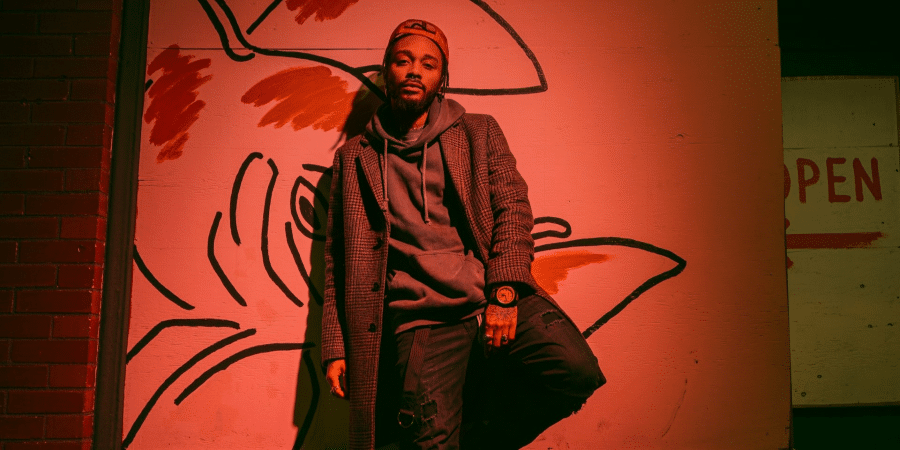
Filming at night adds a unique dimension to run‑and‑gun music videos. Cities transform after dark, with neon lights, streetlamps, and illuminated signs creating a natural backdrop. The reduced crowds and quieter streets also allow for more freedom in shooting.
According to BLK News, nighttime filming captures the “soul of the urban jungle.” The atmosphere can add grit, mystery, or romance, depending on how it is framed. For hip‑hop, R&B, or electronic music, the glow of city lights often complements the mood of the track.
Night shoots also allow filmmakers to experiment with contrast. Shadows, reflections, and artificial light sources create striking visuals that would be harder to achieve during the day. This interplay of light and darkness gives run‑and‑gun videos their distinctive aesthetic.
The Technical Challenges
While night shoots offer creative opportunities, they also present technical challenges. Low light conditions require careful planning to avoid grainy or underexposed footage. Filmmakers often rely on fast lenses, portable LED lights, or even car headlights to illuminate scenes.
Run‑and‑gun crews must also adapt quickly to changing conditions. Streetlights may flicker, passing cars can alter exposure, and unexpected interruptions are common. The ability to adjust camera settings on the fly is essential.
Despite these challenges, many filmmakers embrace the limitations. As YouTube tutorials on run‑and‑gun music videos demonstrate, constraints often spark creativity. By working with what is available, directors find inventive ways to capture atmosphere and energy.
Storytelling Through Spontaneity
Run‑and‑gun music videos often rely less on scripted narratives and more on mood and movement. The spontaneity of filming in real environments allows artists to interact with their surroundings in authentic ways. A walk through a city street, a performance under a neon sign, or a dance in an empty parking lot can all become powerful visual moments.
This approach aligns with the idea that music videos are “mini‑movies” for songs, as BLK News describes. Instead of polished sets, the rawness of the streets becomes the stage. The unpredictability of real locations adds texture and realism to the performance.
For audiences, this authenticity is part of the appeal. Viewers sense that what they are watching is not staged in a studio but captured in the flow of real life. This connection enhances the emotional impact of both the visuals and the music.
The Role of Technology
Advances in camera technology have made run‑and‑gun filmmaking more accessible. Compact cameras with strong low‑light performance allow filmmakers to shoot at night without heavy equipment. Stabilizers, drones, and portable lighting kits also expand creative possibilities.
Editing software further enhances the process. Color grading can transform ordinary streetlights into cinematic hues, while digital effects can add layers of atmosphere. These tools allow small crews to produce videos that feel polished while retaining the raw energy of run‑and‑gun style.
Technology also supports distribution. Platforms like YouTube and TikTok provide immediate access to audiences, making it possible for independent artists to share their work globally. This democratization of production and distribution has fueled the popularity of run‑and‑gun videos.
Cultural Impact of Run‑and‑Gun Music Videos
Run‑and‑gun music videos reflect the broader cultural shift toward authenticity and immediacy. They resonate with audiences who value raw expression over polished perfection. For many artists, this style aligns with the ethos of hip‑hop and street culture, where creativity thrives in everyday environments.
The approach also lowers barriers to entry. Independent musicians who lack major label support can still produce compelling visuals. This inclusivity has expanded the diversity of voices represented in music videos, enriching the cultural conversation.
As RFM Film Industry notes, run‑and‑gun filmmaking is not just a technique but a philosophy. It emphasizes creativity, adaptability, and resourcefulness—qualities that resonate with both artists and audiences.
Outlook for Run‑and‑Gun Music Videos
The outlook for run‑and‑gun music videos remains strong. As technology continues to improve and audiences seek authentic content, the style is likely to remain influential. Nighttime shoots, in particular, will continue to offer unique opportunities for visual storytelling.
For artists, the appeal lies in the balance between accessibility and creativity. With minimal equipment and a willingness to adapt, they can produce videos that capture the energy of their music. For audiences, the result is content that feels immediate, relatable, and visually striking.
Run‑and‑gun music videos at night demonstrate how limitations can inspire innovation. By embracing the unpredictability of the streets, filmmakers create work that reflects both the rhythm of the city and the spirit of the music.