
Word In Black and The AFRO American Newspaper will host the State of Black Businesses Symposium, a free virtual event, on Wednesday, October 14, 2026, from 5:30 to 6:45 p.m. ET. Four Black business leaders will discuss funding, government contracting, financial management and solo entrepreneurship, at a time when Black-owned employer businesses are growing faster than ever before.
Key Takeaways
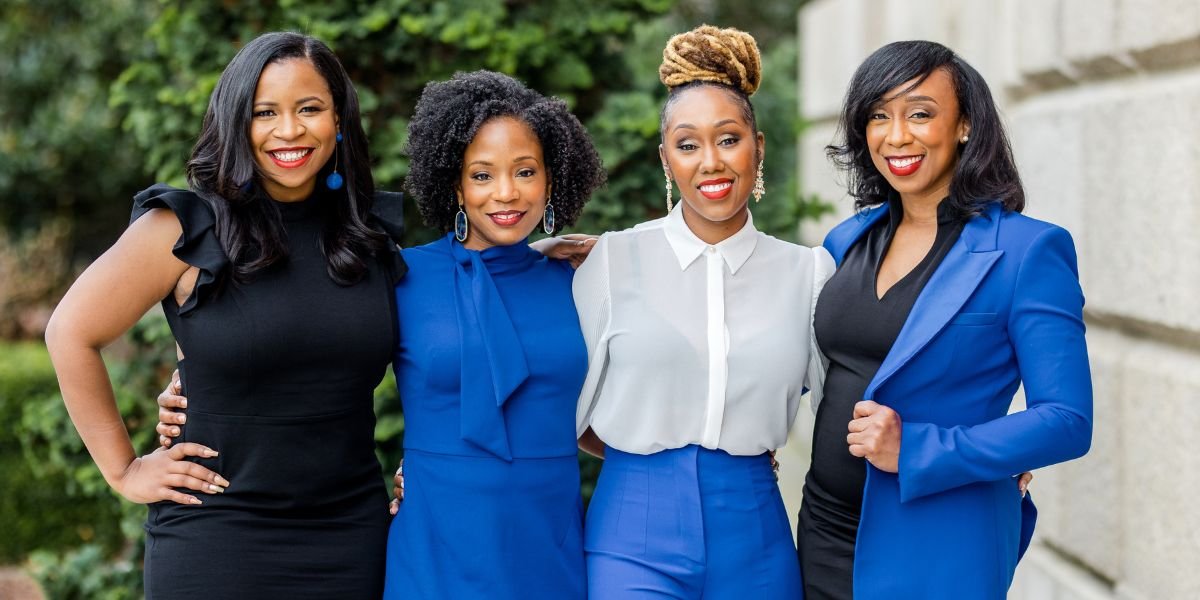
- The panel includes Angel St. Jean of the Black Founders Table, Kimberly Castle Royster of the Baltimore City Chamber of Commerce, Omar Muhammad of Morgan State University, and Lonna Dawson of Nefer Bookcafe.
- Dr. Toni Draper, publisher of The AFRO American Newspaper, and Shernay Williams, events manager at Word In Black, will moderate.
- U.S. Census Bureau data counted 194,585 Black-owned employer businesses in 2022, with $211.8 billion in annual receipts and 1.6 million employees.
- Muhammad leads the Entrepreneurial Development and Assistance Center at Morgan State’s Earl G. Graves School of Business and Management.
- Muhammad became the first African American to chair the board of TEDCO, Maryland’s technology development corporation, in 2021.
- Topics also include tech businesses, capacity building and business development resources.
The Numbers Behind the Conversation
The symposium arrives during a period of measurable growth. The U.S. Census Bureau’s Annual Business Survey counted 194,585 Black-owned businesses with paid employees in reference year 2022, up from 161,031 the year before. Those firms reported $211.8 billion in annual receipts, about 1.6 million employees and roughly $61.2 billion in annual payroll. Analysis of the following year’s data showed that more than 200,000 Black-owned businesses now have at least one paid employee, a first in the federal record.
Growth in the number of businesses has not closed the gap in their share of the economy. Black Americans make up about 14% of the U.S. population, but Black-owned firms remain a small fraction of the nation’s employer businesses and an even smaller share of total business revenue. That gap is what makes the symposium’s agenda practical rather than celebratory. Contracting, capital and financial management are the levers that determine whether a solo operation grows into a business that employs people.
A Panel Built Around the Full Business Lifecycle
The four panelists represent different stages of the entrepreneurial path, from a single storefront to statewide policy.
Angel St. Jean Brings the Founder Network View
Angel St. Jean serves as CEO of the Equity Brain Trust and the Black Founders Table. Her role puts her in contact with founders who are trying to move past the early stage, where access to networks and investors often matters as much as the product.
Kimberly Castle Royster Represents the Chamber Perspective
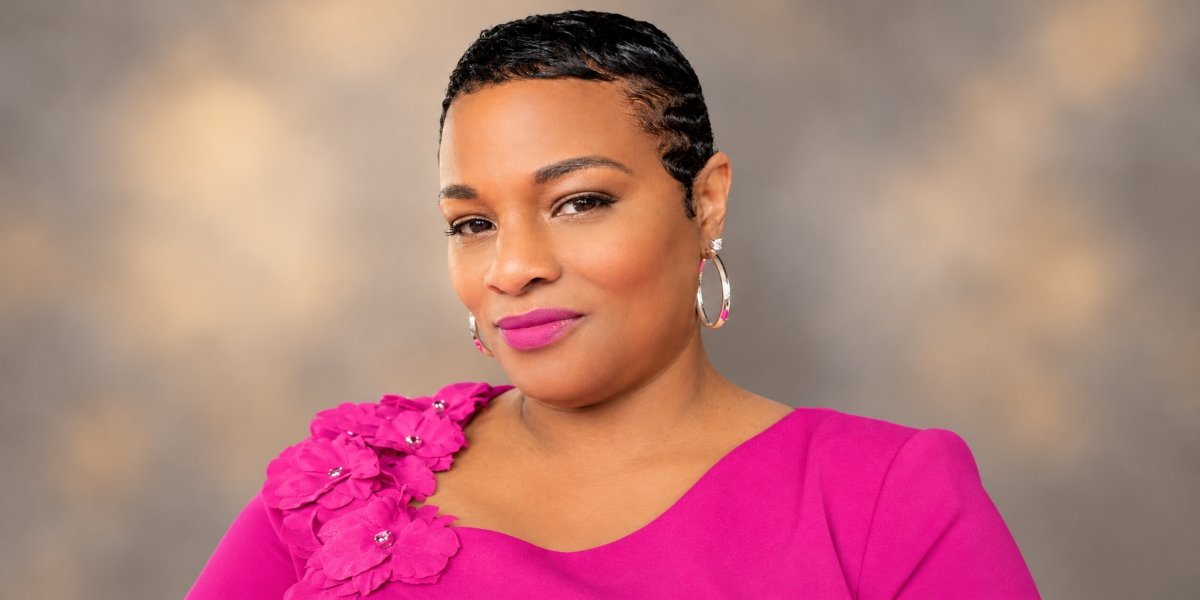
Kimberly Castle Royster chairs the Baltimore City Chamber of Commerce and is CFO at Kimberly Services LLC. Her dual role covers both sides of the financial management discussion: advocating for business owners citywide while running the numbers inside a working company.
Lonna Dawson Speaks for the Independent Storefront
Lonna Dawson founded Nefer Bookcafe, a book-and-cafe concept. Independent retailers like hers are where the solo entrepreneurship topic becomes most concrete, since owners handle marketing, inventory, payroll and customer service at the same time.
Morgan State Anchors the HBCU Connection
Omar Muhammad’s seat on the panel links the conversation to one of the country’s established HBCU entrepreneurship programs. He directs the Entrepreneurial Development and Assistance Center at Morgan State University in Baltimore, which works with students, alumni and community business owners.
Muhammad’s reach extends beyond campus. Maryland’s governor appointed him to the board of TEDCO, the state’s technology development corporation, and in 2021 its board elected him as its first African American chair, a role he was reelected to in 2023. The U.S. Small Business Administration has also awarded the center $2.2 million to expand its outreach, including programming focused on certifications, contracting opportunities and women in business.
His stated priority has stayed consistent. “I intend to make sure communities of color are not left out of the innovation entrepreneurial ecosystem,” Muhammad said when he joined the TEDCO board, according to Morgan State University.
Baltimore’s Business Ecosystem Takes Center Stage
The symposium leans heavily on Baltimore. The AFRO, one of the country’s longest-running Black newspapers, is based in the city, as are Morgan State University and the Baltimore City Chamber of Commerce. That gives the discussion a local foundation that extends to national questions. Baltimore’s experience with procurement, small business support and HBCU-led entrepreneurship programs mirrors challenges facing Black business owners in cities across the country.
Because the event is virtual, owners well outside Maryland can follow along and pose questions to the panel live.
FAQs
When is the State of Black Businesses Symposium?
The State of Black Businesses Symposium takes place Wednesday, October 14, 2026, from 5:30 to 6:45 p.m. ET. It is a free virtual event.
Who is hosting the State of Black Businesses Symposium?
Word In Black is hosting the symposium with its publishing partner, The AFRO American Newspaper. Dr. Toni Draper and Shernay Williams will moderate.
How many Black-owned businesses are there in the U.S.?
The Census Bureau counted 194,585 Black-owned businesses with paid employees in 2022, generating $211.8 billion in receipts. Later data shows the count topped 200,000 for the first time.
What does Morgan State’s Entrepreneurial Development and Assistance Center do?
The center, part of Morgan State’s Earl G. Graves School of Business and Management, supports students, alumni and community entrepreneurs with business counseling, programming and access to contracting and certification resources.
What topics will the symposium cover?
Panelists will discuss government contracting, business funding, financial management, business development resources, solo entrepreneurship, tech businesses and capacity building.