
Black filmmakers who produce independent films without studio financing gain creative autonomy, ownership rights, and direct relationships with audiences that reshape how stories reach screens. Independent Black filmmaking strips away the intermediaries who typically control which narratives get greenlit, who gets hired, and how final cuts look. The experience teaches hard lessons about bootstrapping budgets, building crews from scratch, and distributing finished work without marketing machines, but it also reveals paths to ownership and influence that studio contracts rarely offer.
Key Takeaways
- Black filmmakers who fund projects independently retain creative control over casting, script changes, and final edits without studio approval layers.
- Filmmakers who own their intellectual property can negotiate directly with distributors and retain long-term revenue streams from licensing and streaming deals.
- Independent productions require grassroots distribution strategies including film festivals, social media engagement, and partnerships with cultural organizations.
- Low-budget shoots teach filmmakers to build versatile crews who work for deferred payment and become long-term collaborators across multiple projects.
- Successful independent filmmakers use completed projects as leverage to negotiate better terms with studios or continue working independently by choice.
Filmmakers who fund projects outside the studio system retain decision-making power that fundamentally changes the storytelling process. BLK News examines the lessons that emerge when Black directors, writers, and producers build films on their own terms.
Why Does Creative Control Matter More Than Budget Size?
Studio financing comes with approval layers that shape casting, script changes, and final edit. A director working under a traditional production deal answers to executives who greenlight projects based on market research, audience testing, and perceived commercial viability. Those pressures can dilute narrative choices, particularly for stories centered on Black experiences that don’t fit familiar genre templates.

Independent production lets filmmakers make final decisions about tone, pacing, and character arcs without committee input. A writer-director working with private investors or crowdfunding backers can shoot a script as written, cast actors based on performance rather than name recognition, and cut the film to serve the story instead of test-screening feedback. The trade-off is a smaller budget and fewer resources, but the creative freedom often produces more authentic work.
Films that start outside the studio pipeline also avoid the homogenization that happens when multiple projects pass through the same development machinery. Independent crews build their own visual language and narrative rhythms, which stand out in festival circuits and streaming catalogs crowded with formulaic content.
How Do Filmmakers Fund Projects Without Studio Advances?
Independent films rely on a patchwork of funding sources that each carry different strings. Personal savings and credit cards cover initial expenses like location scouting, script development, and proof-of-concept shoots. Crowdfunding platforms let filmmakers pitch directly to audiences who become early supporters and evangelists, though campaigns require months of outreach and transparent communication about how funds will be spent.
Private investors, often approached through film-industry networking events or personal connections, provide larger sums in exchange for backend profit participation or producer credits. Some filmmakers apply for grants from arts foundations, cultural organizations, or diversity-focused film funds that support underrepresented voices. Each funding stream demands detailed budgets, production timelines, and accountability.
The financing process itself becomes an education in financial planning, contract negotiation, and relationship management. Filmmakers learn to articulate their vision persuasively, deliver on promises, and stretch limited resources across pre-production, principal photography, and post-production phases that can span years.
What Changes When Filmmakers Own Their Work?
Retaining intellectual property rights means filmmakers control how their films are distributed, licensed, and monetized over time. A director who owns the copyright can negotiate directly with streaming platforms, theatrical distributors, and international buyers without splitting revenue with a studio that financed production. Ownership also preserves the filmmaker’s ability to authorize sequels, adaptations, or derivative works without seeking permission.
Independent ownership creates long-term income streams that compound as films find new audiences through word-of-mouth, festival awards, and algorithmic recommendations on streaming services. A project that earns modest returns in its initial release can generate revenue for decades through licensing deals, educational sales, and retrospective screenings. Studios typically retain these rights in exchange for upfront financing, leaving filmmakers with a paycheck but no ongoing stake in their work’s success.
The shift from hired talent to owner-operator also builds transferable business skills. Filmmakers who manage their own intellectual property become entrepreneurs who understand rights management, royalty structures, and revenue forecasting, knowledge that informs every subsequent project.
How Do Independent Films Reach Audiences Without Marketing Budgets?
Distribution without studio backing requires grassroots strategies that turn audiences into collaborators. Film festival circuits provide initial exposure, with programmers at Sundance, Tribeca, SXSW, and regional festivals curating lineups that critics and acquisitions executives attend. A strong festival run generates press coverage, industry buzz, and sometimes distribution offers, though competition for slots is intense and submission fees add up quickly.

Social media platforms let filmmakers build communities around their projects months before release. Regular updates about production milestones, behind-the-scenes footage, and cast interviews keep potential viewers engaged and invested. Partnering with cultural organizations, community centers, and universities creates screening opportunities in spaces where target audiences already gather.
Self-distribution through platforms like Vimeo On Demand, Seed&Spark, or direct website sales gives filmmakers full control over pricing and release windows, though it requires managing customer service, payment processing, and digital delivery. Some filmmakers hybrid their approach, licensing theatrical rights to a small distributor while retaining streaming and home-video rights to maximize revenue across windows.
What Do Filmmakers Learn About Building Crews and Teams?
Independent productions can’t afford union minimums or studio-standard day rates, so filmmakers recruit cast and crew members who believe in the project enough to work for deferred payment, profit participation, or below-market wages. That dynamic demands transparent communication about what a production can realistically offer and when participants can expect compensation. Trust breaks down quickly if payment promises aren’t kept or if working conditions become exploitative.
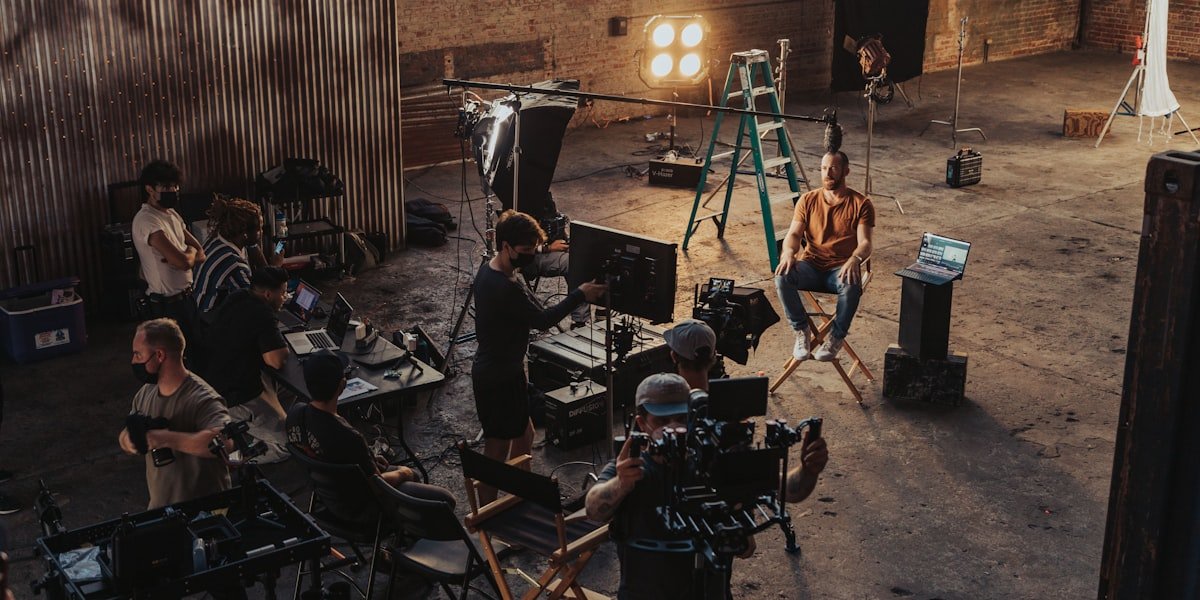
Low-budget shoots require versatility from every team member. A cinematographer might also handle lighting; a producer might drive the grip truck. Filmmakers learn to assess not just technical skills but also collaboration style, problem-solving ability, and stamina for long days with minimal amenities. The crews assembled on independent films often become long-term collaborators who grow together across multiple projects.
Building a reliable team also means cultivating relationships with equipment rental houses, post-production facilities, and local businesses willing to offer services at reduced rates or in-kind support. Those networks become infrastructure that makes each subsequent project more efficient and less expensive to execute.
Why Does Flexibility Become a Core Production Skill?
Tight budgets and unpredictable circumstances force constant adaptation. A location falls through the day before shooting, so the crew rewrites scenes to fit an available space. An actor gets sick, so the schedule reshuffles to shoot around their absence. Weather doesn’t cooperate, equipment malfunctions, or a permit gets delayed.
Filmmakers who survive independent production learn to make creative decisions under pressure, protect their core vision while compromising on details, and keep morale high when problems compound. That resilience becomes a defining characteristic, separating filmmakers who complete projects from those who stall in development.
How Does Independence Shape Long-Term Career Paths?
Filmmakers who prove they can deliver completed films without studio oversight often use that track record to negotiate better terms when studios do come calling. A successful independent feature demonstrates competence in every phase of production, from script development through final delivery, which reduces perceived risk for financiers and producers considering larger budgets. The filmmaker arrives at the table with leverage, not just a portfolio of hired-gun work.
Some directors continue working independently by choice, preferring creative freedom and ownership to bigger budgets and promotional support. Others use independent projects as calling cards that lead to studio assignments, television series, or streaming-platform deals where they can access resources while applying lessons learned in low-budget environments. The ability to deliver quality work with limited means translates directly to studio projects, where efficiency and problem-solving remain valuable even when budgets expand.
Independent experience also opens pathways into mentorship, teaching, and industry advocacy. Filmmakers who’ve navigated the challenges of self-production become guides for emerging talent, sharing practical knowledge about budgeting, crowdfunding, distribution, and rights management that film schools often don’t cover. That knowledge transfer strengthens the broader independent film ecosystem, creating networks of mutual support that reduce barriers for the next generation.
The lessons of independent Black filmmaking extend far beyond any single project, building a foundation of ownership, resilience, and creative autonomy that reshapes entire careers.
FAQs
How Long Does It Typically Take to Fund an Independent Film?
Funding timelines vary widely depending on budget size and financing strategy. Crowdfunding campaigns usually run 30 to 60 days but require months of pre-launch audience building. Private investor pitches and grant applications can take six months to over a year from initial outreach to secured funding.
Can Independent Filmmakers Make a Living Without Studio Work?
Some filmmakers sustain careers through a combination of independent project revenue, teaching, commercial work, and grant funding. Long-term income depends on building a catalog of owned work that generates ongoing licensing fees, streaming royalties, and educational sales. Many supplement independent film income with freelance directing, cinematography, or editing work.
What Film Festivals Are Most Important for Independent Black Filmmakers?
Sundance, Tribeca, and SXSW offer high-profile exposure and acquisition opportunities. Genre-specific and culturally focused festivals like the American Black Film Festival, Pan African Film Festival, and Martha’s Vineyard African American Film Festival provide targeted audiences and industry connections. Regional festivals build local support and media coverage that helps grassroots distribution.
How Do Independent Filmmakers Handle Post-production Without Studio Resources?
Many filmmakers negotiate deferred payment with editors, colorists, and sound designers who receive compensation once the film generates revenue. Some barter services, trade skills with other filmmakers, or apply for post-production grants and lab programs that provide discounted facility access. DIY approaches using prosumer software have become more viable as editing and color-grading tools have improved.
What Rights Should Filmmakers Retain When Accepting Outside Funding?
Filmmakers should negotiate to keep copyright ownership, final cut approval, and sequel or adaptation rights whenever possible. Investors typically receive profit participation or recoupment positions rather than ownership stakes. Clear contracts that specify how revenue will be split, who controls distribution decisions, and what happens if the film doesn’t recoup its budget prevent disputes later.