

Across the United States, a quiet change is unfolding among Black men. Conversations once avoided are now being spoken aloud—in barbershops, online forums, and brotherhood circles. This change centers on mental health, a topic that has long been buried under expectations of strength and silence. What’s happening now isn’t loud or dramatic. It’s deliberate, tender, and rooted in the shared belief that true strength includes emotional honesty.
Breaking the Silence Around Emotional Struggle
For generations, many Black men were taught to mask emotional pain. Cultural expectations and social pressure often link masculinity with toughness, discouraging expressions of fear, sadness, or anxiety. These unspoken rules, shaped by both historical trauma and modern stereotypes, created barriers to seeking help.
Research from the American Psychological Association shows that Black men are less likely to access mental health care compared to other groups, even though rates of depression and anxiety remain significant. The hesitation isn’t due to indifference—it stems from mistrust of medical systems and fear of stigma within their own communities. Admitting to mental distress was often misunderstood as weakness, leading many to carry their struggles quietly.
Yet, silence has begun to crack. Younger generations of Black men are rejecting the idea that vulnerability is weakness. Social media, art, and grassroots mental health organizations are helping to normalize emotional openness. These shifts aren’t about abandoning resilience—they’re about redefining it to include the courage to heal.
Brotherhood as a Safe Space for Healing
Community has always been central to Black life in America, and it’s now serving as a foundation for emotional recovery. Brotherhood circles—informal gatherings of men who share their experiences—are creating safe spaces where honesty is encouraged and judgment is absent.
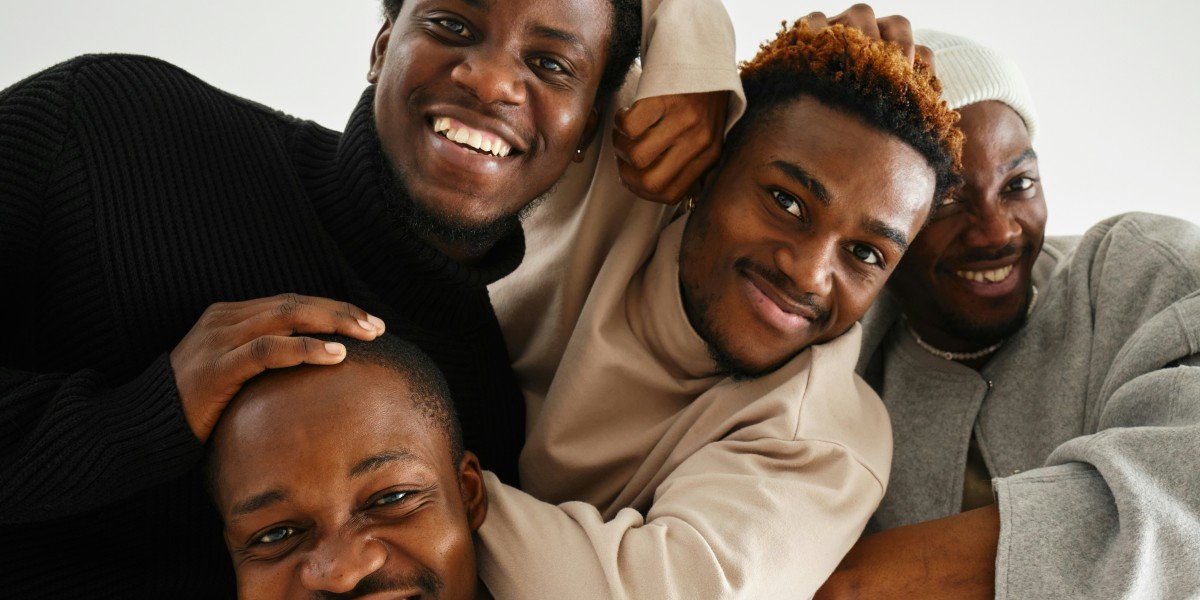
Photo Credit: Unsplash.com
Barbershops, long considered social hubs, have taken on deeper meaning. Programs like “The Confess Project,” founded by Lorenzo Lewis, train barbers to recognize signs of distress and guide clients toward mental health resources. These efforts turn everyday conversations into lifelines, showing that support doesn’t always come from a clinic.
Beyond barbershops, organizations and support groups across cities like Atlanta, Baltimore, and Oakland are offering spaces where Black men can talk freely about anxiety, loss, and fatherhood. This form of brotherhood doesn’t require perfection—it simply asks for presence. Shared understanding replaces isolation, allowing collective strength to grow through compassion.
Redefining Strength Through Vulnerability
Traditional views of masculinity often prize endurance over expression. But many Black men are now discovering that vulnerability carries its own power. Speaking openly about pain or uncertainty doesn’t erase dignity—it deepens it. It allows others to see that courage can exist alongside fear.
Celebrities like Michael B. Jordan, Kendrick Lamar, and Jay-Z have discussed therapy and emotional awareness in public interviews, helping shift cultural expectations. Their openness signals that mental health isn’t a private shame but a shared responsibility. Each admission chips away at the idea that strength means silence.
This redefinition of masculinity also expands how success is measured. Instead of viewing achievement solely through material gain, more men are beginning to see peace of mind and emotional balance as part of success itself. The act of prioritizing well-being—through therapy, meditation, or honest talk—is becoming a marker of growth, not vulnerability.
The Historical Weight of Silence
To understand why this transformation matters, it helps to look at the past. The historical experiences of Black men in America—slavery, segregation, and systemic discrimination—created survival patterns that prized stoicism. Expressing pain in unsafe environments was dangerous. Silence became a form of protection, a necessary shield.
Those protective habits were passed through generations, shaping family dynamics and self-perception. Even as times changed, the instinct to endure quietly remained. The problem isn’t resilience—it’s the expectation that endurance should be solitary. Over time, this can lead to burnout, depression, or emotional detachment.
Breaking that cycle takes intention. It requires re-teaching that feeling deeply is not a flaw but a form of humanity. By making that shift, Black men reclaim their full emotional range and redefine what it means to be strong in a society that once denied their vulnerability.
Cultural Change and Representation
Representation plays a crucial role in normalizing emotional awareness. Films, television, and music increasingly explore the interior lives of Black men with depth and empathy. Projects like “Moonlight” and “The Photograph” portray complex emotional realities rarely seen in mainstream storytelling. These portrayals create mirrors for audiences who’ve long been misrepresented or ignored.
Public figures have also used their platforms to discuss therapy and self-reflection. Athletes like DeMar DeRozan and Kevin Love have shared their mental health journeys, showing that strength and openness can coexist. Their honesty inspires everyday conversations, giving others permission to speak without fear of judgment.
Cultural acknowledgment helps create the conditions for broader acceptance. When emotional depth becomes visible, it becomes valid. Each story shared chips away at the old scripts that defined masculinity too narrowly.
The movement toward emotional openness among Black men is not a trend—it’s a rebuilding process. It’s about constructing a cultural environment where mental wellness is part of daily life, not an exception to it. Progress may be gradual, but it’s visible in the growing willingness to listen and support one another.
Therapists, artists, educators, and community leaders continue to play key roles in this shift. Their efforts remind everyone that healing doesn’t always begin in a professional office—it can start with a simple conversation between friends. The quiet revolution is not about being loud; it’s about being honest.
The movement toward brotherhood and vulnerability signals a collective step toward wholeness. Through conversation and compassion, Black men are rewriting the meaning of strength—not by denying pain, but by acknowledging it, and choosing to heal together.