
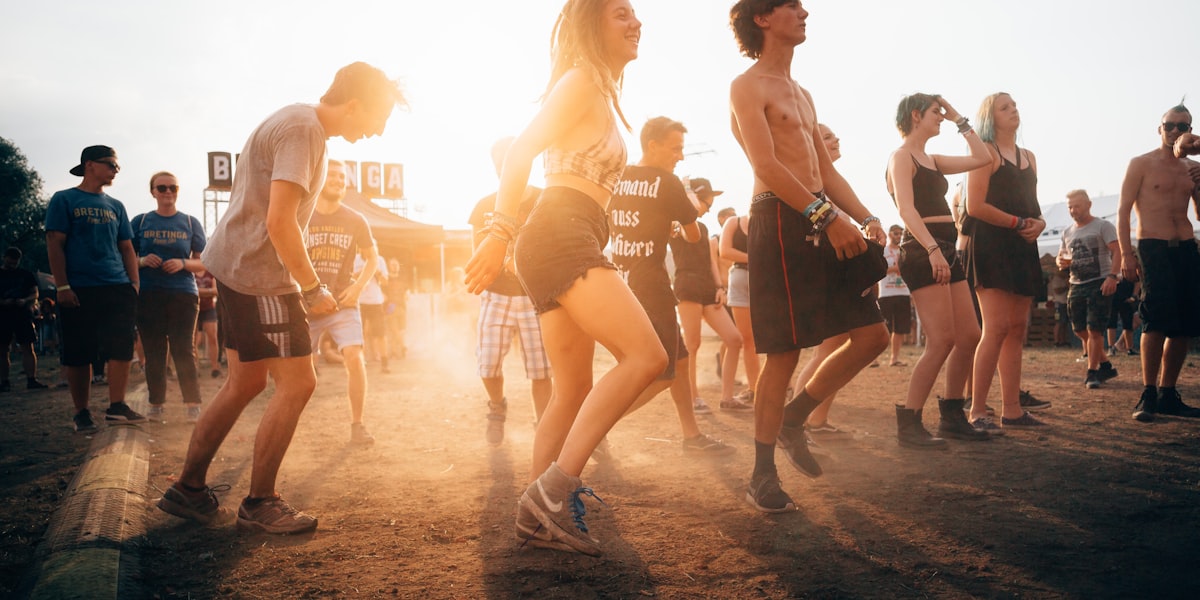
Baltimore’s AFRAM festival will mark its 50th anniversary from June 19 through 21, 2026, at Druid Hill Park, with the Mayor’s Office producing a documentary to preserve the celebration’s five decades of Black cultural history. The milestone event features headlining performances by Dru Hill, Mario, The Lox, and Charlie Wilson, alongside Black-owned vendors and family activities coinciding with Juneteenth.
How Did AFRAM Begin?
The Afro-American Exposition launched in August 1976 at Charles Center and Hopkins Plaza. Norman E. Ross, then director of Baltimore’s Urban Services Cultural Arts Project, worked with city leadership to produce the inaugural gathering during an era when African-Americans were reclaiming Afrocentric styles and bringing African folk art into their homes.

Deborah Mason, 75, danced at the very first AFRAM festival. Now the former executive director of the Sankofa Children’s Museum of African Cultures, she recalls the significance of that moment. ‘For African-Americans in the city, it was a time of not being hidden or oppressed so much anymore,’ Mason shares. ‘We were not afraid of gathering and enjoying ourselves. We were letting down a lot of the chains as young people that imprisoned our parents.’
Ross, who helped bring AFRAM to life, passed away in 2015. Over five decades, the festival moved through multiple venues including Pimlico Race Course and Camden Yards, bringing national acts like LL Cool J, Doug E. Fresh, The O’Jays, and Busta Rhymes to Baltimore audiences.
Why Is Documenting This History so Urgent?
Mayor Brandon Scott’s office now organizes AFRAM, and he frames this 50th anniversary as critical documentation during a period of federal attacks on civil rights. Scott grew up attending the festival, later worked as AFRAM staff, and now oversees its production. ‘When they’re telling the story of AFRAM 100, this generation that is coming up now will be telling the story about how, in the midst of a time where Black culture faced its biggest threat since Reconstruction, we kept moving, kept going,’ Scott says.
He emphasizes the city’s defiance of pressure to diminish Black cultural celebrations. ‘We went Blacker, we went bigger. We showed the world that we were not going to cower and not celebrate Black history and Black culture in a Black city, simply because a small group of people thought it was time to go back to the days of slavery and the Jim Crow South.’
Mason argues that preserving Black culture isn’t optional given historical marginalization. ‘The ways that we keep our history don’t have to be professional, they just need to be intimate,’ she says, pointing to rituals like family dinners from her 1950s childhood. These intimate moments matter because ‘our children are listening.’
What Will the New Documentary Capture?
The Mayor’s Office is producing AFRAM 50: A Celebration of Us directed by Baltimore-born, Emmy and NAACP Award-winning Alexandria Queen-Sneed. The documentary combines archival footage, photos, and interviews with key figures including Rep. Kweisi Mfume and Mason, whom the film’s producers call ‘Mama Debbie.’ The final edit will include footage from AFRAM 2026 with a public screening planned for fall.

Executive producer Tia Goodson, chief marketing and programs officer at Create Baltimore, emphasizes the importance of Black voices telling Baltimore’s story. ‘Baltimore is a Black city, and you can’t tell many stories without telling the story of Black folks, but you definitely can’t tell this one without spending some time with Black folks,’ Goodson says.
Filming locations have included the War Memorial and AFRAM’s former home at Camden Yards. Fellow executive producer Maya Gilmore, from the Mayor’s Office of Cable & Communications, brings her own memories of national acts like Common performing in stadium parking lots to the project.
What Makes This Festival Essential to Baltimore?
Scott describes AFRAM as ‘a big Baltimore family reunion,’ recalling his first visit with an older cousin and memories of riding the Ferris wheel while watching performances. The festival has functioned as a gathering point for Black families across generations, creating shared cultural touchstones that bind the community together.
The 50th anniversary AFRAM represents both celebration and defiance. By expanding rather than contracting in response to external pressure, organizers signal that Black cultural expression in Baltimore will not be diminished. The documentary project ensures that future generations will understand not just what AFRAM was, but what it meant to hold space for Black joy and community during pivotal moments in American history.
As the festival returns to Druid Hill Park for its golden anniversary, it carries the weight of five decades of Black cultural celebration and the determination to preserve that legacy for the next 50 years.