
By: My Media Buzz
Four Black psychologists are creating space for generations to talk about what we inherit, what we heal, and what we choose to leave behind.
In many Black families, there are things we inherit that will never appear in a will.
We inherit stories. Faith. Humor. Recipes. Traditions. The ability to make something out of very little. We inherit lessons from grandparents who survived circumstances they rarely discussed and parents who worked to create opportunities they may never have had themselves.
We inherit strength.
But sometimes, we inherit other things, too.
Grief that was never given a name. Anxiety that was dismissed as worry. Family wounds that everyone learned to work around but no one quite knew how to address. Expectations to remain strong, keep going and handle whatever life brings, even when carrying it becomes exhausting.
For the four Black psychologists behind Black Mental Wellness, there is another possibility worth considering:
What if healing could be passed down, too?
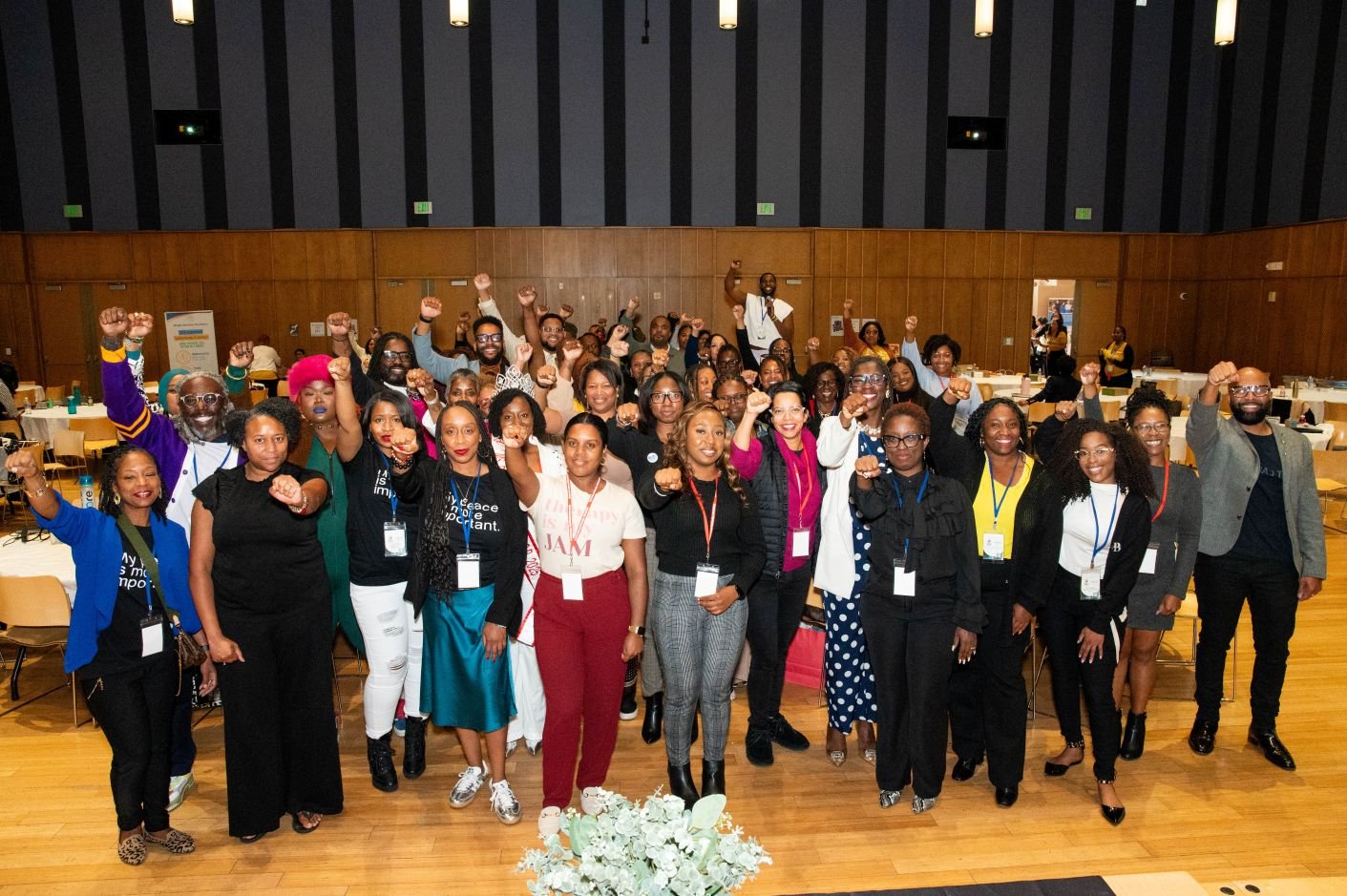
That idea is at the heart of the seventh annual Black Mental Wellness Conference, “Healing Across Generations,” taking place November 6, 2026, in Silver Spring, Maryland. The gathering will bring together mental-health professionals, healers, educators, students, faith and community leaders, families, advocates and people with lived experience for something that is larger than a professional conference.
It is an invitation to consider what happens when generations truly listen to one another.
Four Women, One Commitment to Black Mental Wellness
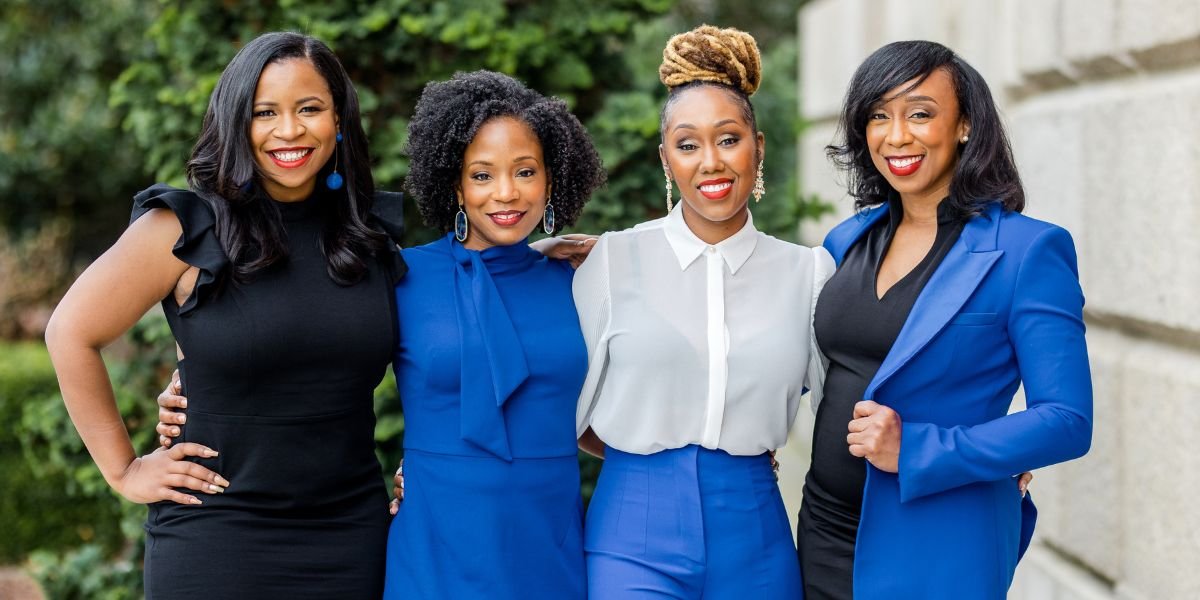
Black Mental Wellness was founded by four clinical psychologists: Dr. Nicole L. Cammack, Dr. Danielle R. Busby, Dr. Dana L. Cunningham and Dr. Jessica S. Henry. Together, they created an organization centered on a need they saw clearly in their professional work: culturally responsive mental-health information, resources and professionals who understand experiences that can be particularly relevant within Black communities.
Each brings a different lens to that mission.
Cammack, president and CEO of Black Mental Wellness, has focused much of her career on mental-health issues affecting the Black community and the cultural and systemic factors that can shape wellness. Cunningham, vice president of community outreach and engagement, is a licensed psychologist whose professional work also extends into school mental health. Henry, vice president of program development and evaluation, specializes in trauma-informed work. Busby, vice president of professional relations and liaison, focuses on child traumatic stress and suicide prevention and intervention among Black youth.
Those different perspectives make this year’s theme especially fitting.
Because healing across generations is not about one age group having all the answers.
It is about what becomes possible when everyone has something to contribute.
When Wisdom Moves in Both Directions
Traditionally, we tend to think of generational wisdom as moving downward. Elders teach. Younger people listen. Parents guide their children, who eventually pass those lessons to their own children.
Cammack sees something more reciprocal.
She believes older generations carry deep lived experience and wisdom, while younger generations are growing up with different information, language and ways of thinking about emotional wellness.
As she puts it:
“I believe that healing occurs across generations because we are all, each generation, interconnected.”
That is a powerful shift.
A grandmother may teach her granddaughter something about perseverance that cannot be learned from a book. Her granddaughter may introduce her to a new way of thinking about therapy, boundaries or rest.
A father may teach his son how to endure. His son may help him understand that vulnerability does not erase strength.
And a young person who has learned to say, “I need help,” may quietly give an older family member permission to say it for the first time, too.
That is intergenerational healing, not the rejection of what came before, but generations learning from one another.
Making Sure Young People Are Part of the Conversation
That philosophy is especially visible in the conference’s emphasis on Black youth.
Busby’s professional work is particularly relevant here. Her focus includes child trauma and suicide prevention and intervention among Black youth, bringing an important clinical perspective to an organization that is intentionally making room for younger voices.
The conference will explore issues affecting Black young people while also creating opportunities for them to be part of the larger conversation.
Programming includes discussions around youth mental health, trauma, survival mode and generational healing. Student poster presentations will also provide space for emerging scholarship and ideas.
The underlying message is significant: young people do not have to wait until adulthood before their experiences count.
And adults do not have to have every answer before they listen.
We Can Honor Strength Without Inheriting Every Wound
For Henry, the conversation also involves deciding what deserves to continue from one generation to the next.
Her work is grounded in trauma-informed care, and her perspective on this year’s theme acknowledges something Black families have lived with for generations: survival can produce extraordinary strength, but surviving difficult circumstances can also leave wounds.
Her message is not to discard the strength.
It is to become more intentional about the wounds.
“We can carry forward the strength without carrying forward the wounds.”
There is something deeply freeing about that distinction.
Honoring what our ancestors endured does not require us to reproduce every coping mechanism they needed to survive it.
Loving our parents does not mean refusing to examine family patterns.
Respecting where we came from does not prevent us from choosing something healthier for where we are going.
Healing can honor the past without being trapped by it.
Healing Has to Be More Than a Conversation
The conference organizers also understand that people need more than another day of sitting in chairs talking about wellness.
The 2026 gathering incorporates experiential healing throughout its programming, with opportunities involving somatic practices, sound healing, meditation and other whole-person approaches alongside clinical education, panels and community conversations. The program also addresses Black men’s mental health, Black women’s mental health, faith, trauma and lived experience.
That combination matters.
Sometimes people need information.
Sometimes they need language for something they have been feeling for years.
Sometimes they need a clinician who understands their experience.
And sometimes they simply need an environment where they can exhale.
Cammack has said she hopes attendees leave having discovered different ways to care for themselves and others, while mental-health professionals gain research-informed practices they can bring back into their clinical, research and teaching environments.
But beneath all of those professional outcomes is something simpler.
She wants people to feel seen, heard and safe.
And There Should Be Joy Here, Too
Mental-health conversations can easily become centered entirely on what hurts.
Cunningham’s vision makes room for something else.
For her, healing across generations means interrupting harmful cycles while intentionally creating healthier pathways for Black families and communities. It means honoring ancestral wisdom while also listening to young people who are helping shape what comes next.
But she doesn’t want people to leave the conference carrying only the weight of difficult conversations.
“And above all, I hope they feel the joy, connection, and inspiration that always defines the Black Mental Wellness Conference.”
That word, joy, deserves its place in a conversation about Black mental health.
Healing is not simply identifying everything that went wrong.
It can also mean reconnecting. Laughing. Resting. Learning. Being understood. Finding community. Discovering that someone else has experienced what you thought you were carrying alone.
It can mean recognizing how much has already been overcome while believing something even healthier can come next.
What Will We Choose to Pass Forward?
There is a familiar phrase in conversations about mental health: breaking generational cycles.
There are certainly cycles that need to end.
But perhaps that isn’t the whole story.
Because not everything needs to be broken.
Some things deserve to be protected.
The faith.
The creativity.
The humor.
The traditions.
The resourcefulness.
The sense of community.
The ability Black families have shown repeatedly to create joy in circumstances that did not always make joy easy.
Perhaps the work is learning to distinguish between the inheritance that strengthens us and the inheritance that still needs healing.
That is what makes Healing Across Generations feel larger than the theme of a one-day conference.
It poses a question every family can consider:
What do we want the next generation to inherit from us?
Not simply financially.
Emotionally.
Relationally.
Spiritually.
What if children inherited stories about how their grandparents survived, along with examples of how their parents learned to heal?
What if asking for help became as normal as being told to stay strong?
What if therapy, community, faith, rest and culturally responsive mental-health care could sit at the same table rather than being treated as competing ideas?
And what if a generation could honor its history without feeling obligated to repeat every part of it?
Perhaps that is the opportunity these four psychologists are asking the Black community to consider.
We can inherit a story without being required to repeat it.
We can acknowledge pain without allowing pain to become our only legacy.
We can carry forward the strength without carrying forward every wound.
And perhaps one of the greatest things one generation can give the next is something previous generations did not always have themselves:
Permission, language, community and support to heal.
The 7th Annual Black Mental Wellness Conference: “Healing Across Generations” will take place November 6, 2026, beginning at 9 a.m. in Silver Spring, Maryland. The conference is open to anyone invested in Black mental health and wellness and includes professional education, community conversations and experiential healing opportunities. The conference also offers 6.5 APA-approved continuing education credits for psychologists.
Learn more about the 2026 Black Mental Wellness Conference and register.
Disclaimer: This article is provided for general informational and educational purposes only and does not constitute medical, psychological, mental-health, counseling, or other professional advice. Discussions of trauma, grief, anxiety, suicide prevention, generational patterns, healing practices, and mental wellness are intended for general education and should not be used to diagnose, treat, or manage an individual’s mental-health condition. Individual experiences and responses to mental-health services, wellness practices, and therapeutic approaches vary. Readers experiencing emotional distress or mental-health concerns should seek guidance from a qualified healthcare or mental-health professional. Information regarding Black Mental Wellness, its conference, speakers, programs, continuing-education offerings, and related activities is based on information provided by the organization and may change over time. Participation in any conference, program, wellness activity, or professional education session does not guarantee a particular mental-health, personal, or professional outcome. No specific therapeutic or wellness result is guaranteed.