

Dara Frazier’s Not Every Woman enters the cultural conversation like a deep breath you didn’t know you were holding. The film doesn’t tiptoe around the complexities of being a Black woman in America. It opens the door, pours the wine, and lays every truth on the table with warmth and emotional precision.
Now streaming on Amazon Prime and Apple TV, the film is already resonating with audiences for a straightforward reason: it tells the truth without flinching. Not Every Woman is about four Black women from very different walks of life who gather for what starts as an ordinary night in. What unfolds is anything but ordinary. Their conversations turn sharp, hilarious, raw, and deeply personal. The film leans into the quiet exhaustion behind the Strong Black Woman trope, the pressure to be endlessly capable, and the emotional labor that society quietly demands. Frazier balances vulnerability with perfectly timed humor, making the film feel like real life, not a dramatization of it. The dialogue is so textured, so recognizable, that it almost feels like eavesdropping.
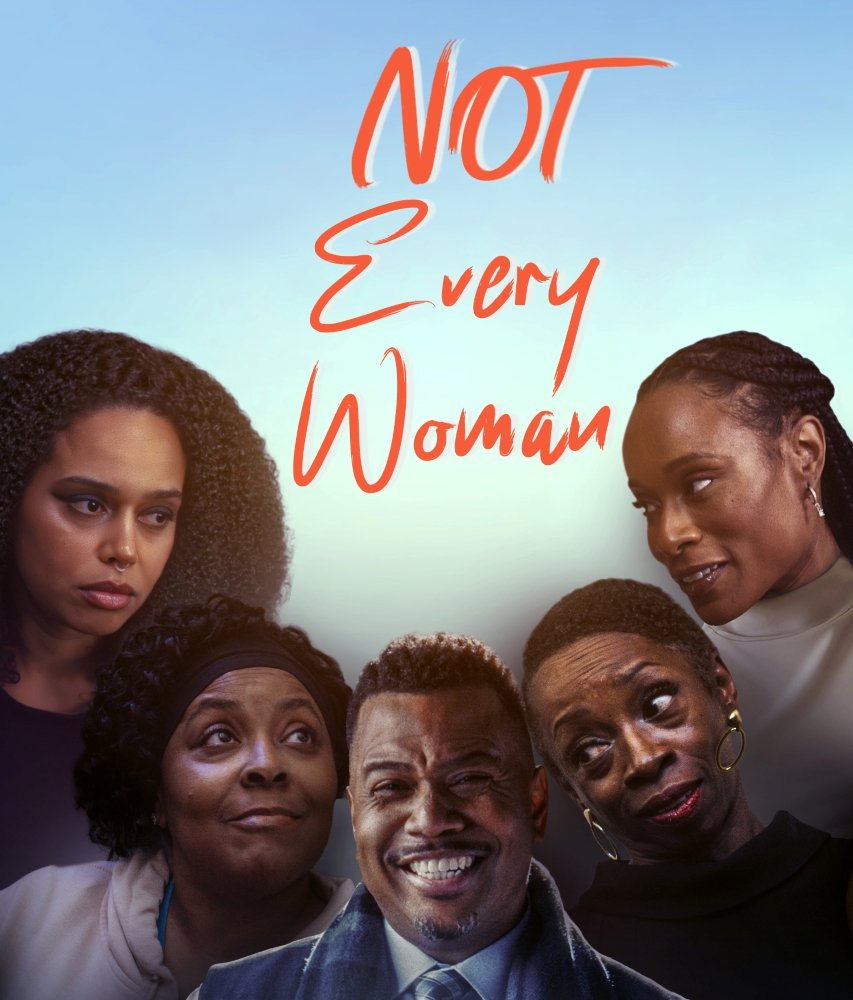
Photo Courtesy: Dara Frazier
The earliest spark for the film came in the aftermath of the 2024 election, when Frazier, like many Black women, felt the weight of political exhaustion deeply. Black women showed up in overwhelming numbers, yet the results delivered another national gut check. Rather than let the frustration sit idle, Frazier started writing. What began as political commentary evolved into a much-needed story about identity, womanhood, belonging, and the emotional worlds Black women navigate daily. It is part slice-of-life, part social analysis, and part cinematic sister-circle.
“It wasn’t just about politics anymore,” Frazier says. “It was about honesty. And honesty doesn’t always land softly — but it lands exactly where it needs to.”
The film features an ensemble cast that includes Omar Gooding, Lodric D. Collins, Erika Degraff, Georgina Elizabeth Okon, Shannon Echols, and Jean Cecile Nadine. Together, they create a world so grounded and alive that it’s impossible not to see yourself, or someone you know, in each character. From unpredictable career shifts to the pressures of motherhood, from self-worth to dating sagas to spiritual grounding, each performance pulses with sincerity. They are fully human, flawed, brilliant, hopeful, and deeply deserving.
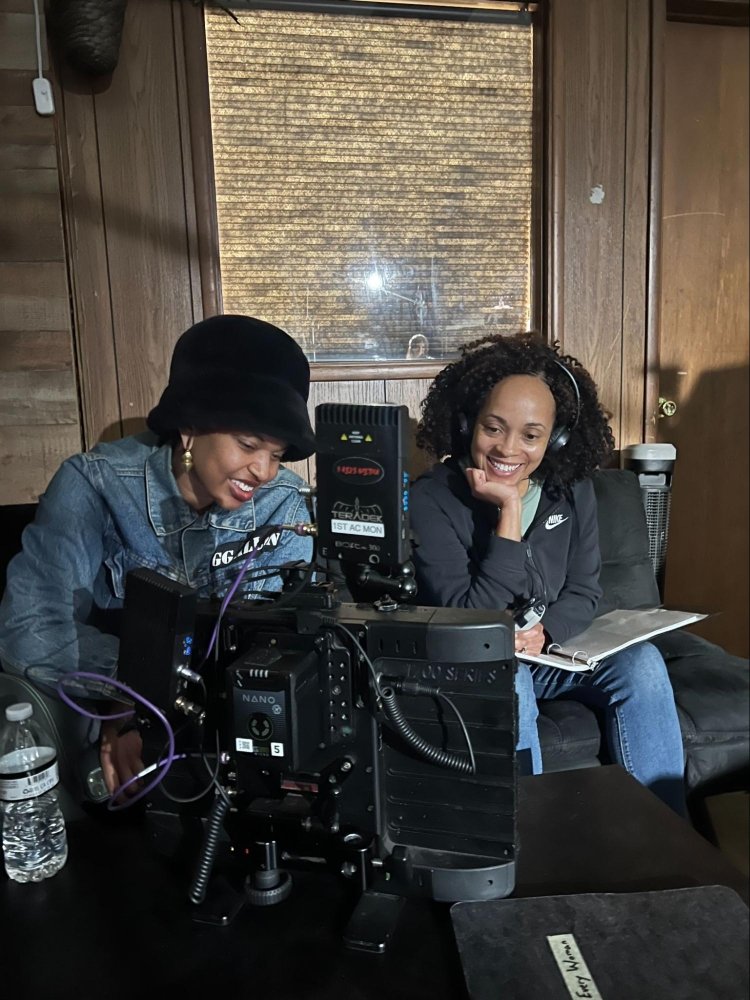
Photo Courtesy: Dara Frazier
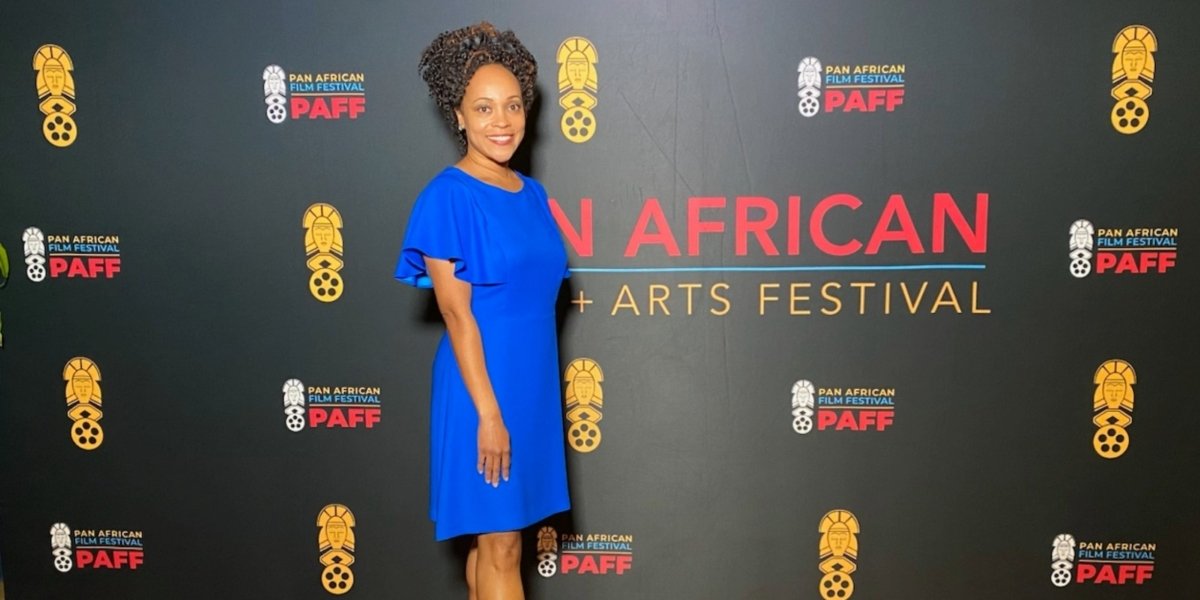
Frazier, whose industry experience spans Disney, HBO, and Off-Broadway theater, is no stranger to the systemic barriers facing Black creatives, especially Black women. Her production company, 1642 Productions, was founded in 2022 as an act of creative autonomy and intention. She describes herself as a filmmaker, storyteller, and modern griot. And not every woman makes that clear. She writes with courage. She directs with tenderness. She produces with purpose.
Her film arrives at a pivotal moment. Black women are facing mounting workplace inequities, constant public scrutiny, a political climate growing more hostile by the year, and a cultural expectation that they must be everything at once, without breaking. Recent reports show hundreds of thousands of Black women leaving or being pushed out of the workforce. Social media is flooded with demands for Black women’s empathy, labor, and leadership. Representation in Hollywood is shrinking again after years of progress.
And then comes this film , saying clearly: You are enough. You are allowed to rest. You are allowed to choose yourself. You are allowed to be human.
For non-Black viewers, Not Every Woman functions as an invitation to understand and witness the emotional landscape Black women navigate. For Black audiences, it feels like affirmation, a mirror, and in many ways, a release. The film claps back at outdated narratives with intelligence and comedic bite. It gives voice to the private conversations Black women often sanitize for mainstream consumption. And it reclaims the right to define one’s own worth, not through society’s expectations, but through truth. Not Every Woman feels like a reclamation of space.
Already looking ahead, Dara Frazier intends to produce two films a year through 1642 Productions, with a significant new project slated for 2026. One she says will “shake things up.” Her goal is not to speak for underrepresented voices, but to amplify the voices that have always been telling. She says, “People aren’t voiceless. It’s a matter of who chooses to listen.”
Not Every Woman is more than a film. It’s an emotional checkpoint. It is the kind of story that reminds you of the women who raised you, the women you love, the women you are still becoming. It invites softness into a world that often denies Black women the room to be soft. And it makes a clear statement: you don’t have to be every woman. You just have to be yourself. That message is overdue. That message is powerful. That message is healing.
And that’s why Not Every Woman is required viewing for Black audiences seeking representation and release, and for all audiences seeking understanding.
You can stream Not Every Woman now on Amazon Prime and Apple TV.
Learn more about Dara Frazier and 1642 Productions at darawrites.com.