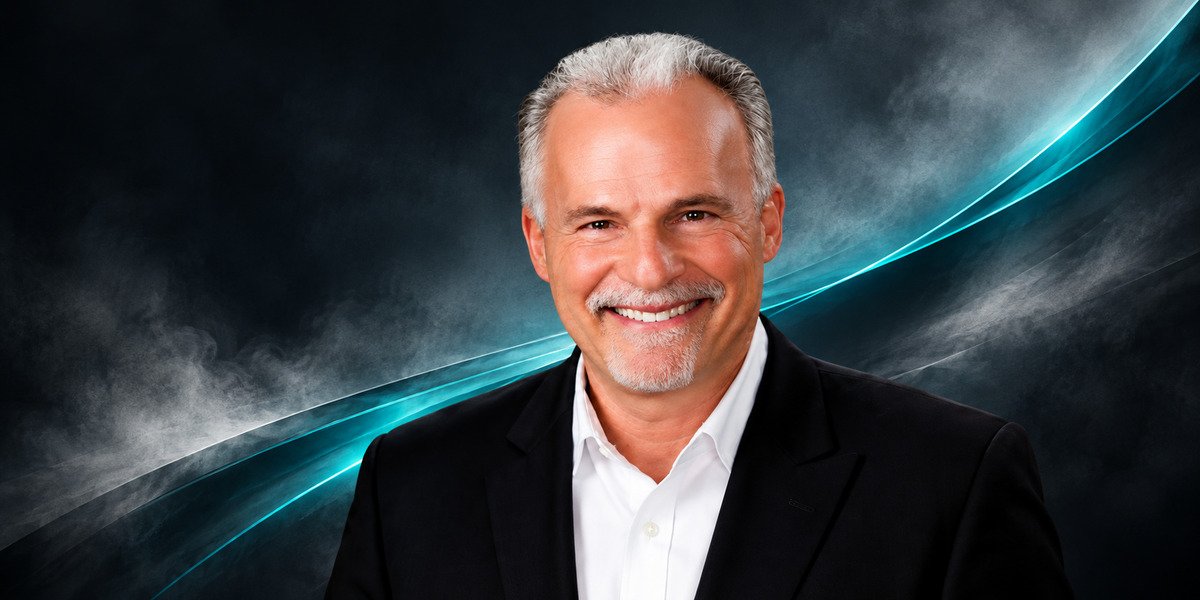


From HBCU Classrooms to Global Recognition
Many people still think elite academic pipelines start only at big-name Ivy League schools. That belief leaves a lot out of the picture. Morehouse College has spent decades preparing Black men for leadership across politics, business, science, and culture. The 2026 Rhodes Scholarship awarded to Aniaba Jean Baptiste N’guessan reinforces that reality with clarity.
N’Guessan is finishing his senior year at Morehouse while carrying a triple major in economics, mathematics, and computer science. That course mix isn’t chosen by accident. Each subject develops a different problem solving skill. Economics teaches how money systems shape opportunity. Math strengthens logic and pattern thinking. Computer science builds the ability to design real tools that solve everyday problems. Combined, they form a toolkit made for big challenges, not narrow academic lanes.
Most students focus on just surviving heavy workloads. N’Guessan chose to treat education as preparation for service. He didn’t aim for résumé polish. He aimed for competence. His Rhodes Scholarship isn’t about credentials alone. It’s a signal that serious academic preparation can come straight from historically Black colleges without leaving behind culture, community, or social mission.
For many HBCU students, his achievement hits home. It reinforces a simple truth often ignored outside Black academic spaces. Excellence grows where opportunity is paired with belief. Morehouse has always believed its students belong on global stages. The scholarship now confirms what many in the community already knew.
The Weight of a Triple Major
Managing one college major can overwhelm even the most disciplined student. Trying three at once requires near military-level organization. N’Guessan approached that challenge by treating time like a scarce resource rather than something to stretch. His daily routine balanced lectures, coding labs, math problem sets, and economic modeling work without sacrificing extracurricular engagement.
The choice of majors creates real-world flexibility. Economics anchors understanding of inequality, growth models, and development strategies. Mathematics builds precision and the ability to isolate problems logically. Computer science bridges theory into application through coding, data analysis, and platform development. Instead of bouncing between disconnected fields, he used each subject to reinforce the others.
This blend mirrors how leadership now operates. You don’t just need ideas. You need to build things people can use. Data tools guide public policy planning. Software supports daily wellness applications. Economic frameworks determine whether innovations cross from the classroom to the community. N’Guessan trained to operate across that entire cycle instead of restricting himself to academic theory.
For Black students weighing major choices, this path offers reassurance. There’s room to study more than one interest without diluting focus. Purpose organizes complexity. When goals are clear, discipline follows. His workload wasn’t punishment. It became design training for bigger responsibilities.
Building Viridis AI With Community in Mind
While juggling coursework, N’guessan co-founded Viridis AI. The platform uses artificial intelligence and cognitive science principles. Cognitive science studies how the mind processes decisions, habits, and attention. Viridis applies those findings through digital tools that help users structure goals, manage stress patterns, and improve productivity routines.
Mental health concerns hit young Black communities hard. Students and early-career professionals often face pressure without consistent mental wellness support. App overload makes it worse. Many products treat productivity as efficiency alone while ignoring emotional strain. Viridis tries to center balance rather than burnout.
Instead of pushing hustle culture, the platform encourages clarity and sustainable routines. Small habit tracking, intentional task pacing, and reflection loops promote steady progress without emotional overload. These features weren’t built for abstract tech markets. They emerged from real conversations among peers navigating academic pressures and future uncertainty.
Institutional support followed because the platform addressed an obvious need. Scholarships, accelerators, and philanthropic networks focused on social impact saw value in a product that approached wellness with community sensitivity. That blend between technical development and lived experience became Viridis’s strength.
For Black entrepreneurship, this story demonstrates that technology doesn’t need to imitate venture capital stereotypes. Products born from authentic community challenges often carry deeper staying power than trend chasing startups.
The Meaning of a Rhodes Scholarship
The Rhodes Scholarship is among the world’s most selective academic awards. Students receive support to study at Oxford University while connecting to an international leadership network. Selection combines academic achievement with civic engagement and leadership potential.
N’Guessan earned selection as a West Africa regional scholar despite being educated at a U.S. HBCU. That regional designation highlights the scholarship’s growing recognition of African diaspora leadership that bridges continents rather than fitting neatly into national categories.
This selection does more than honor personal achievement. It challenges old assumptions about academic pipelines that place global opportunity behind Ivy League gates. The Morehouse to Oxford path underscores that excellence isn’t monopolized by wealth or geography.
For HBCU alumni, this win represents validation after decades of fighting for institutional respect. Schools that trained civil rights leaders, business founders, and policy architects now continue developing global scholars and technology builders. The work never slowed down. External recognition is just catching up.
Connecting Campus to Global Systems
Study at Oxford expands N’guessan’s educational access in multiple directions. He’ll engage with policy scholars examining development economics, technology ethicists studying responsible artificial intelligence, and international business leaders shaping investment across Africa and Europe.
Each learning path strengthens his entrepreneurial framework. Economic research enhances data driven development planning. Ethics training informs responsible AI deployment. International exposure broadens partnership potential for startup expansion.
Importantly, this global access doesn’t sever his connection to Black communities. HBCU graduates frequently maintain active ties to mentorship networks, campus programs, and nonprofit partnerships even while operating internationally. Instead of disconnecting from home communities, many extend their influence outward then circle resources back in.
That loop matters. Education becomes a tool for uplift rather than personal escape.
Why HBCUs Remain Leadership Incubators
HBCUs have long operated as leadership incubators for Black excellence. Smaller class sizes promote mentorship depth. Professors invest personally in student growth. Campus cultures normalize achievement rather than exoticizing it.
This environment produces confidence that looks different from entitlement. Students develop self-assurance grounded in community expectations rather than personal prestige. N’Guessan’s journey reflects that tone. His work never centers on image. It centers contribution.
While financial endowments may lag behind larger universities, cultural capital runs deep. Fellowship recommendation committees often respond strongly to HBCU candidates whose records show consistent leadership rather than résumé stacking.
N’Guessan’s accomplishments stem from those values. He didn’t chase elite status then search for purpose afterward. Purpose guided him toward elite platforms.
Tech Leadership With Cultural Awareness
Technology startups often launch without understanding community realities. Designers make assumptions that don’t reflect lived experiences outside affluent tech corridors. Black technologists entering the space bring a critical perspective.
N’Guessan’s leadership style blends user advocacy with development rigor. He recognizes that data algorithms affect emotional well-being just as much as productivity outcomes. His team integrates user feedback loops instead of isolating design within engineering labs alone.
This culturally aware method reflects a broader trend among Black founders building platforms for wellness, finance literacy, and education access. Products that succeed here respect local nuance rather than force standardized models.
Viridis AI fits that approach by centering daily functionality without glamorizing burnout culture. The result is tech leadership shaped by empathy as much as ambition.
Representation That Rewrites Expectations
The media rarely pair HBCU success stories with global technology leadership. Students often see images of founders that don’t resemble their communities. N’Guessan’s journey widens that mental picture.
A Morehouse student with triple majors and a Rhodes Scholarship, who co-founded a wellness tech company, reframes opportunity without fanfare. His representation feels usable. Not aspirational fluff but tangible modeling.
For students sitting in crowded HBCU lecture halls balancing homework and jobs, stories like this don’t feel distant. They feel structural. Someone from their exact ecosystem climbed the ladder through discipline and collaboration rather than raw fortune.
That relatability strengthens belief. It reduces psychological barriers that often block ambitious goal setting.
The Broader Symbolism
This story lands during ongoing national dialogue about education access and tech inclusion. Black students continue to face systemic barriers across research funding pipelines and venture capital allocation. Individual wins can’t solve those structural issues. Still, visible excellence challenges narratives that excuse exclusion.
N’Guessan’s path shows where impact comes from. Long term investment in Black education produces returns across global leadership fields. HBCUs perform that function every year, whether recognized or not.
His Rhodes Scholarship doesn’t mark the start of a trend. It reflects a continuation of historical excellence powered quietly through community institutions.
A Quiet Blueprint for the Next Generation
Young leaders often ask how to combine academics, entrepreneurship, and social impact without burning out. N’Guessan’s approach offers a subtle blueprint.
First, build wide skills rather than narrow credentials. Second, ground innovation in genuine community needs. Third, pursue elite platforms as tools of service rather than personal branding vehicles.
None of this requires abandoning culture or compromising mission. It requires discipline, mentorship, and clarity of purpose.
Morehouse didn’t merely graduate a scholar this year. It sent another architect of Black global leadership into the world armed with education, cultural grounding, and the courage to build where needs are real.