

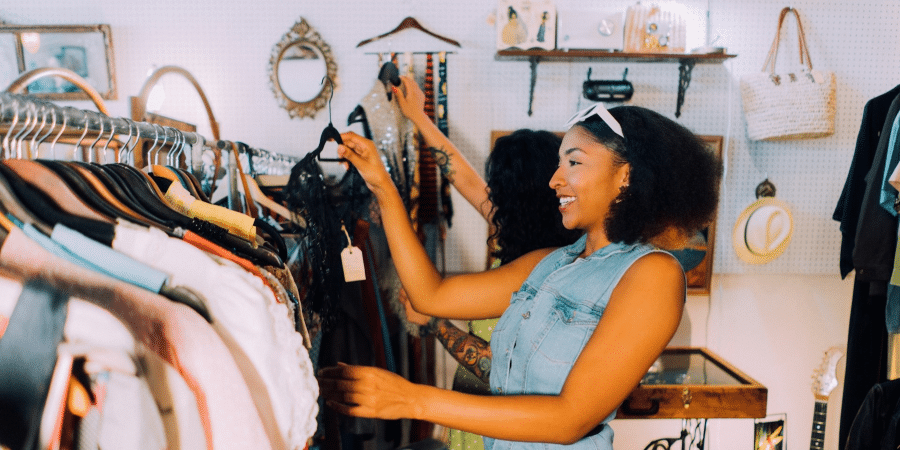
Thrifting has become more than a way to save money. For many, it’s a practical habit that connects personal expression, environmental responsibility, and financial awareness. Shoppers visit thrift stores to look for affordable pieces, but they often walk out with something less tangible—a sense of satisfaction that blends creativity with purpose.
While fast fashion dominates malls and online platforms, thrift stores have stayed quietly relevant. They attract people who enjoy searching for unexpected finds and who see value in reusing what still has life. Thrifting offers something slower, more mindful, and often more rewarding than mass retail.
The practice isn’t just about nostalgia or vintage aesthetics. It also reflects a shift in how people think about consumption. Choosing secondhand items helps reduce waste and encourages thoughtful spending habits.
A More Personal Way to Shop
Thrift stores invite curiosity. Shoppers rarely go in with a strict shopping list because the inventory changes constantly. This unpredictability makes each visit a small adventure. The process encourages people to think creatively, to reimagine an outfit, or to spot hidden quality in something others have overlooked.
The experience can feel more personal than shopping in large chains. A thrifted jacket might carry a story, a faint reminder of its past owner. While new clothes are identical in every store, secondhand finds have character. For those who enjoy individuality, that character becomes part of their self-expression.
It’s also a low-pressure environment. There’s no push for seasonal trends or limited-time discounts. Shoppers can take their time, explore, and develop their sense of style without the expectation to buy something new each month.
Economic Benefits for Everyday Consumers
Many shoppers first visit thrift stores to save money. The prices are lower than retail, but the savings often extend beyond clothing. Many stores carry furniture, books, kitchenware, and décor. This makes thrifting a practical option for those setting up a new home or managing a tight budget.
Thrifting encourages financial mindfulness. When purchases are intentional rather than impulsive, people tend to value what they own more. The habit can lead to better budgeting because each item feels considered.
Local thrift stores also play a quiet role in supporting communities. Many are run by charities or nonprofits that fund social programs. Every purchase, however small, helps sustain those efforts while giving consumers affordable choices.
Environmental Value in Everyday Decisions
Thrifting has environmental benefits that appeal to those who care about sustainability. Buying secondhand extends the life cycle of existing products, which helps reduce textile waste and the demand for new manufacturing. This small choice supports a larger effort to conserve resources and minimize landfill waste.
The fashion industry is known for its environmental costs, including water use and chemical waste. While individual actions can’t fix the entire system, choosing pre-owned items helps ease demand for new production. It’s a simple, accessible way to contribute to waste reduction without needing major lifestyle changes.
Thrifting also encourages repair and reuse. Many people learn to mend small damages, replace buttons, or adjust fit—skills that reconnect them with the idea of maintaining what they already have. This shift from disposable habits to caring for items can lead to more responsible consumption overall.
The Joy of Discovery and Self-Expression
There’s a certain satisfaction in finding something unexpected on a thrift store rack. It might be a designer label priced at a few dollars or a vintage piece that feels timeless. That joy of discovery keeps many returning. Each visit holds the chance of uncovering something special, making the act of shopping itself a hobby rather than a task.
Thrifting also gives room for creativity. Instead of dressing from curated trends, shoppers mix and match from different eras and styles. Outfits become reflections of personality rather than of seasonal marketing. For younger generations, this freedom of expression carries strong appeal.
For some, thrifting becomes part of their lifestyle identity—a quiet statement about individuality, sustainability, and thoughtful spending. It offers satisfaction that goes beyond material gain.
Social and Emotional Rewards
Thrift stores often create subtle connections among people. Volunteers, regular shoppers, and donors become part of a small community built on shared values. These interactions remind people that shopping doesn’t always have to be transactional; it can also feel human.
Many find comfort in knowing that their purchases or donations help others. When a jacket or book finds a new home, it feels less like waste and more like continuity. That sense of reuse can bring emotional comfort, especially in a culture where so much is designed to be replaced quickly.
There’s also nostalgia in thrift shopping. It invites people to slow down and reflect on the lifespan of objects. It’s not just about saving money—it’s about recognizing worth in what still has use.
Thrifting continues to appeal because it aligns practical needs with meaningful values. It offers affordability without sacrificing individuality and sustainability without moral pressure. For many, it’s a habit that feels both responsible and enjoyable.
While shopping trends change, the appeal of finding value in overlooked things remains constant. Thrift stores remind people that satisfaction doesn’t always come from something new. Sometimes it’s found in rediscovering what’s already there—quietly waiting on a secondhand shelf.