

By: Amanda Harris
Nylaaj’a Wilks didn’t set out to simply launch another lingerie brand. What stood out to her, as she paid closer attention to the undergarment space, was how disconnected many mainstream companies felt from the women they claimed to serve. Too often, the focus was on appearance rather than real-world fit, comfort, or confidence—especially for women with fuller bodies or non-standard sizing. That disconnect became the starting point for Build-A-Bra, a brand rooted in listening, intention, and representation.
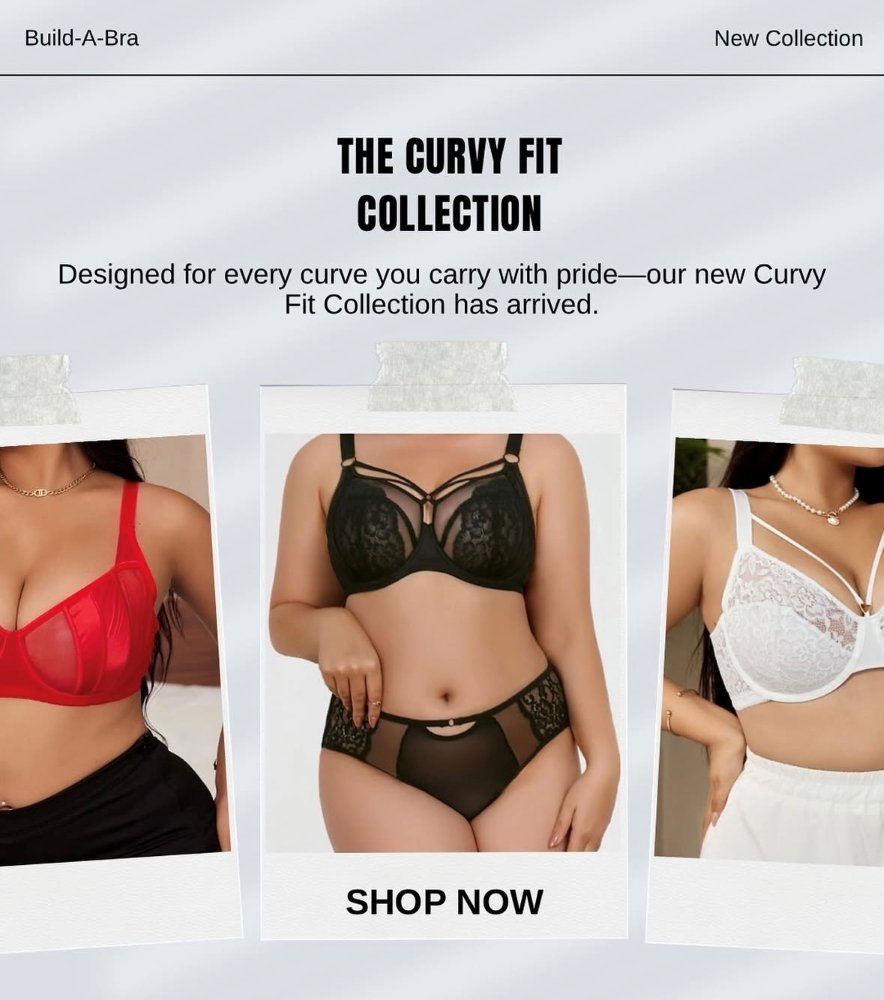
Photo Courtesy: Build-a-Bra.co
“As I explored the undergarment space, I noticed that many brands prioritized aesthetics over how women actually live in their bodies,” Wilks explains. “The industry often speaks at women instead of listening to them.” For Wilks, the issue wasn’t just about sizing—it was about accessibility, honesty, and respect. Build-A-Bra was created to meet women where they are, not where the industry assumes they should be.
Wilks believes Black women are uniquely positioned to identify and solve this kind of problem. Historically excluded from mainstream fashion conversations, Black women have long been forced to adapt when their needs were ignored. That experience, she says, creates a deeper sensitivity to fit, comfort, and confidence—not as luxuries, but as essentials.

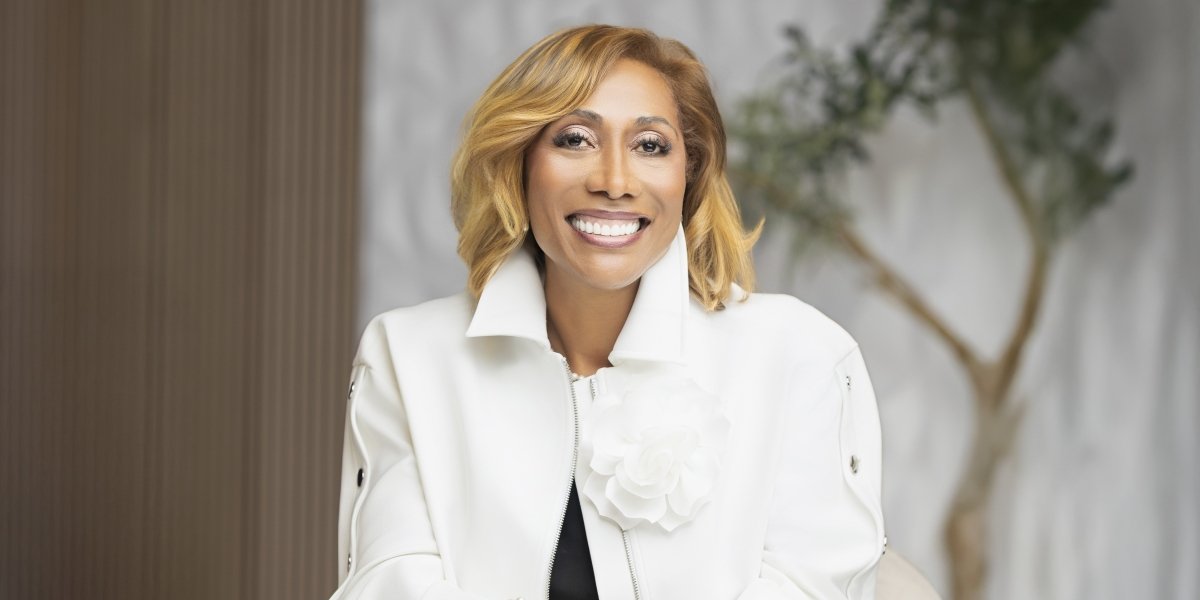
Photo Courtesy: Nylaaj’a Wilks
“We’ve always had to be resourceful and community-driven,” Wilks says. “When industries overlook you, you learn how to advocate for yourself and for others. That lived experience shapes how we approach design, fit, and customer care.”
Building a product-based brand, however, comes with real challenges. Manufacturing decisions, access to capital, and brand visibility are hurdles many founders face, but for Black women entrepreneurs, those barriers are often magnified. Wilks quickly realized that she would have to prove legitimacy before being offered opportunitiesthat others receive more readily.
“The biggest barriers have been access to capital, visibility, and navigating manufacturing while maintaining brand integrity,” she shares. Rather than compromising her vision to move faster, Wilks chose a strategic approach. She stayed lean, educated herself on sourcing and production models, and focused on partnerships that aligned with her long-term goals.
“I learned early on that growth doesn’t have to mean overextending yourself,” she says. “It means making intentional decisions that protect your vision while still allowing room to evolve.”
That clarity has been central to Build-A-Bra’s expansion. From the beginning, the brand has centered customization, fit, and confidence—elements often overlooked in traditional lingerie spaces. Listening directly to women has shaped everything from product selection to sizing communication and brand messaging.
“Women consistently tell us they want to feel supported physically and emotionally,” Wilks explains. “They don’t want to be confined to unrealistic standards.” That insight guides how Build-A-Bra curates styles, communicates with customers, and positions itself as a brand where comfort and confidence can coexist with style.
This level of listening has paid off. By centering real feedback, Build-A-Bra has cultivated trust—and trust, Wilks believes, is the foundation of customer loyalty. “When women feel heard, they come back. They tell their friends. They build a community around the brand.”
Representation plays an equally important role in Wilks’ mission. In an intimate industry like lingerie, visibility goes far beyond who appears in campaigns. For her, representation means ownership, leadership, and having a voice in decision-making.
“Building Build-A-Bra as a Black woman means showing that we don’t just belong in the conversation—we can lead it,” Wilks says. She is intentional about creating a brand where Black women see themselves not only as consumers, but as innovators and leaders shaping the industry. “When Black women are decision-makers, the industry becomes more inclusive, more thoughtful, and more honest.”
Looking ahead, the next phase of growth for Build-A-Bra is focused on increasing visibility while staying grounded in its core values. Wilks is pursuing strategic brand placements and media opportunities that align with the brand’s message, particularly within entertainment and storytelling spaces.
“I’m interested in film, music, and media because those spaces already explore identity, confidence, and self-expression,” she explains. “There’s a natural alignment there.” Alongside this expanded visibility, Build-A-Bra will continue to grow its offerings in accessible intimate apparel, ensuring that inclusivity remains central—not performative.
For Black women entrepreneurs hoping to scale a niche idea into a sustainable, national brand, Wilks offers grounded advice rooted in experience. “Start where you are,” she says. “Be honest about your business model, and don’t feel pressured to scale in ways that don’t align with your capacity or your vision.”
She emphasizes that sustainable growth is not about comparison or chasing someone else’s timeline. “Clarity, consistency, and community are what carry you forward,” Wilks notes. “When you know who you’re building for and why, growth becomes intentional instead of overwhelming.”
Through Build-A-Bra, Nylaaj’a Wilks is doing more than filling a gap in the market. She’s challenging long-standing norms, centering voices that have been overlooked, and proving that listening can be a powerful business strategy. In a space that has too often told women how they should look or feel, Wilks is building something different—one thoughtful decision, and one confident woman, at a time.