

Over the past two decades, the transition toward renewable energy has gained momentum due in part to growing anxieties about climate change, resource depletion, and energy security. Nations, institutions, and industry leaders are investing significantly in alternative energy solutions, including solar, wind, hydro, wave, and tidal power, with the aim of reducing dependence on fossil fuels. This shift has spurred increased demand for relevant research, effective policies, and innovative technologies geared toward expanding access to renewable energies. Central to these efforts is the role of expert opinion leaders guiding research and the policy framework governing how energy issues are addressed globally.
One such figure in the global energy landscape is Korcherlakota R. Rao, whose contributions have spanned decades in energy policy, sustainable development, and technological innovation. Rao has been recognized for his role in renewable energy research and editorial leadership, particularly as the Editor-in-Chief of the widely regarded Renewable Energy Series. His extensive work in hydro, wave, and tidal energy demonstrates a commitment to developing clean energy solutions that could help address the pressing challenges of climate change. Through his research, advocacy, and collaborations with institutions and industry leaders, Rao has contributed to shaping local and international approaches to renewable energy adoption.
Leadership in Renewable Energy Research and Editorial Influence
One of the notable aspects of Rao’s career has been his editorial leadership of the Renewable Energy Series, which has become a valuable resource for policymakers, research scholars, and industry professionals. The series aims to blend technical depth with accessibility, helping to make complex scientific advancements more understandable to a broader audience. By facilitating knowledge dissemination, the series has played a role in informing industry practices and public policy.
In addition to his editorial contributions, Rao has been actively involved in advancing research on hydro, wave, and tidal energy technologies. These renewable energy sources have the potential to contribute to sustainable electricity generation, particularly for coastal regions. Rao’s work explores the feasibility and efficiency of these technologies, suggesting that greater investment and policy support could help accelerate their development.

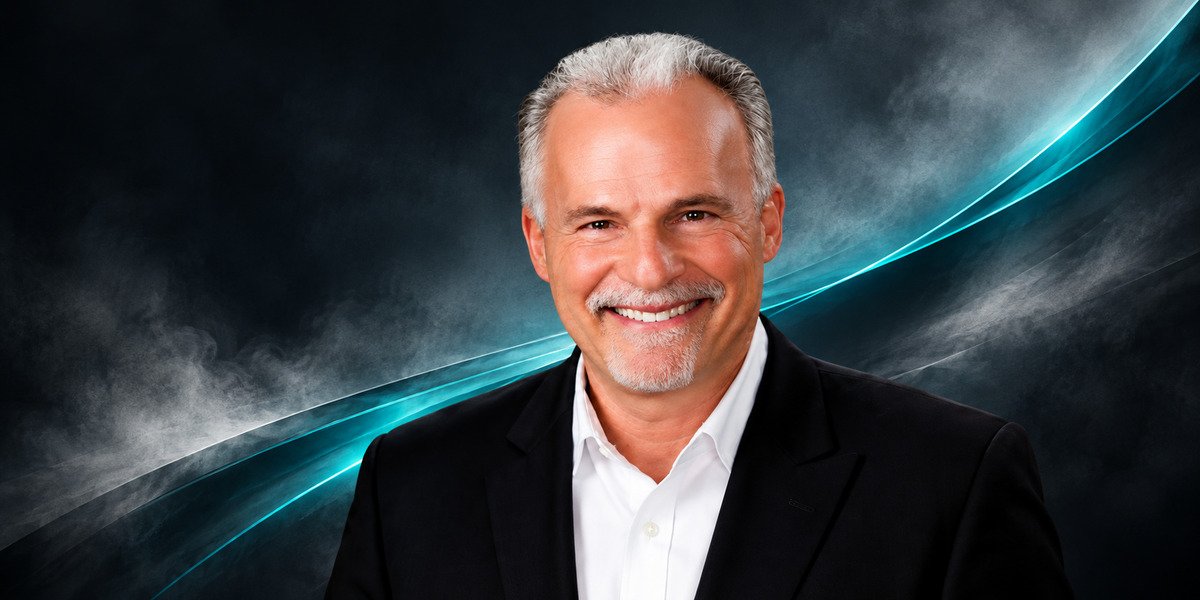
Photo Courtesy: Korcherlakota R. Rao
Contributions to Baltimore’s Energy Landscape
Rao’s research and advocacy have also influenced local energy initiatives, including those in Baltimore. As a city with an evolving energy infrastructure, Baltimore has explored ways to incorporate more renewable energy sources into its power grid. Rao’s work on sustainable urban energy solutions has provided insights that align with the city’s efforts toward cleaner and more resilient energy systems.
Baltimore’s location along the Atlantic coast presents potential opportunities for wave and tidal energy technologies, an area Rao has researched extensively. His work has contributed to ongoing discussions about how the region might leverage its natural resources to diversify its energy mix and reduce carbon emissions. Collaborations with academic institutions, local policymakers, and energy companies have further supported his role in shaping Baltimore’s renewable energy strategies.
The Future of Renewable Energy and Rao’s Ongoing Efforts
As the energy sector continues to evolve, Rao remains engaged in efforts to advance renewable energy solutions. His current research focuses on integrating new technologies with existing systems to improve efficiency and reliability. He advocates for increased investment in wave and tidal technologies, which he believes could play a meaningful role in helping countries move toward carbon neutrality.
Rao’s contributions are likely to continue influencing the renewable energy sector, particularly at the intersection of policy and technological innovation. With climate change mitigation emerging as a global priority, the need for sustainable energy solutions has grown increasingly urgent. Through ongoing research, mentorship, and editorial leadership, Rao’s work may have a lasting impact on the future of renewable energy.
Published by Joseph T.