

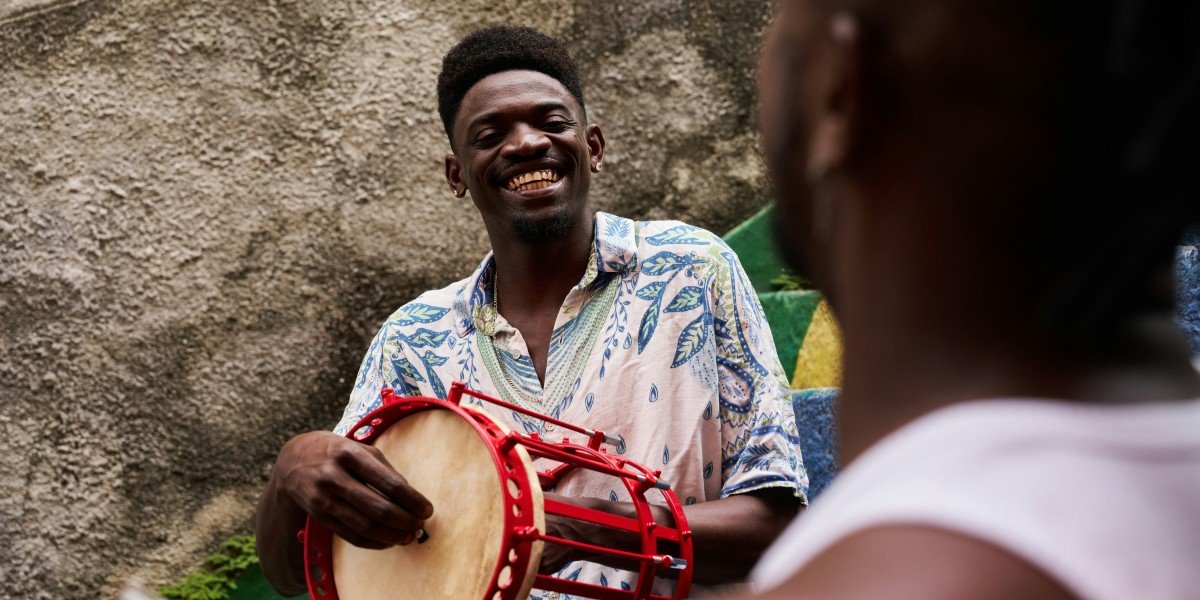
Across the United States, archivists, curators, and musicians are quietly preserving something far more fragile than paper records. They’re protecting sound, movement, and emotion—the living expressions of Black culture. Through music and film archives, generations of artistry and struggle are being safeguarded for those yet to come. These archives don’t just hold history; they hold identity, memory, and a sense of belonging.
Why Archiving Black Music and Film Matters
Black music and film have always been central to American storytelling. From the spirituals sung by enslaved people to the jazz and hip-hop movements that reshaped global culture, each sound and image reflects a record of resilience and creativity. Yet much of this history risks being lost because of neglect, outdated storage, or lack of funding.

Photo Credit: Unsplash.com
Archivists emphasize that preservation isn’t just about saving tapes or reels. It’s about protecting a lineage of expression that shaped national identity. Many recordings, especially from the 20th century, were produced under independent labels or community efforts that lacked the resources for long-term care. Without preservation, those sounds—voices of generations—fade with time.
Efforts like the Smithsonian’s National Museum of African American History and Culture and the Black Film Archive have become vital in reversing that loss. They gather and restore works once pushed to the margins, ensuring the achievements of artists like Mahalia Jackson, Gordon Parks, and Nina Simone remain part of the public record. Their work keeps the past audible and visible, helping future generations understand where cultural movements began.
Challenges in Preserving Sound and Film
Preserving creative heritage comes with technical and financial hurdles. Magnetic tapes, once common for recording music and dialogue, deteriorate over time. Film reels are equally fragile—vulnerable to heat, humidity, and chemical decay. Without intervention, the physical materials holding cultural history can literally crumble.
Digital preservation has provided new opportunities but also new concerns. Transferring analog materials into digital formats requires specialized skills and technology, and digital storage itself can become obsolete as formats change. Archivists must constantly adapt to ensure that today’s preserved files remain accessible tomorrow.
Funding remains a persistent obstacle. Many archives rely on grants, donations, or partnerships with universities to continue their work. Smaller community archives often operate on volunteer labor, yet their collections sometimes hold the rarest records—local performances, independent films, or interviews that never reached mainstream circulation. Despite limited resources, these spaces often protect the stories that larger institutions overlook.
Community Archives as Cultural Guardians
Community archives are the heart of preservation work. Unlike large national institutions, these local efforts are often built by people who personally knew the artists, activists, or filmmakers whose work they protect. Their collections are intimate and deeply rooted in lived experience.
Organizations like the Mayme A. Clayton Library and Museum in California and the South Side Home Movie Project in Chicago highlight the importance of this approach. The South Side project, for example, restores home movies from Black families, revealing daily life, celebrations, and neighborhood histories rarely captured in mainstream media. These films transform family memories into collective heritage.
By maintaining control over how their stories are presented, community archivists help counter historical erasure. Their work ensures that representation isn’t filtered through outside interpretation. It’s a preservation of voice, ownership, and cultural integrity. Each restored song or reel affirms that memory doesn’t just belong to history books—it lives within the communities that created it.
Technology as a Bridge Between Past and Present
While technology poses challenges, it also creates bridges. Digitization has made it possible to reach audiences far beyond the walls of physical archives. Projects once limited to scholars can now be accessed online, allowing anyone to hear field recordings, view historic performances, or watch early Black cinema.
Institutions such as the Library of Congress and independent platforms like the Black Film Archive are using digital tools to make this history accessible. Streaming platforms have also begun featuring restored films and documentaries that highlight early contributions to cinema. These technological steps bring lost works into public awareness and renew appreciation for their cultural impact.
Technology also allows collaboration across generations. Younger artists sample old recordings, while filmmakers re-edit vintage footage into contemporary narratives. These acts of creative reuse keep the archive alive, showing that preservation isn’t about freezing history—it’s about keeping it in motion.
The Emotional Weight of Preservation
Archiving isn’t just technical work—it’s emotional labor. Each preserved record carries personal histories, memories, and sometimes pain. Listening to the voices of enslaved ancestors or viewing footage from civil rights marches reminds communities of both trauma and triumph. Preservation invites reflection, not just admiration.
Archivists often describe their work as a form of cultural caretaking. They’re not just saving sound or image—they’re saving connection. Each restored piece becomes a meeting point between past and present, allowing descendants to recognize familiar expressions and hear echoes of their own lives.
For many within the Black community, these archives offer validation. They confirm that creativity and resistance existed even when society refused to see them. By preserving the art of earlier generations, today’s archivists create emotional continuity, reminding people that identity is not a recent creation—it’s an inheritance.
A Living Legacy
The preservation of music and film is not just about storage—it’s about storytelling. Each note and frame contributes to a living archive that continues to grow. As younger generations engage with this material, they expand its meaning, layering their own voices over the past.
The importance of archiving Black culture extends beyond cultural pride. It helps shape national understanding of what America truly sounds and looks like. Every time a lost film is restored or a forgotten song is reissued, a part of the country’s memory becomes whole again.
Through collective effort, both institutional and grassroots, the sound and image of generations are being protected. The process is ongoing, shaped by dedication and respect for those who came before. The archives don’t simply preserve history—they preserve belonging.