

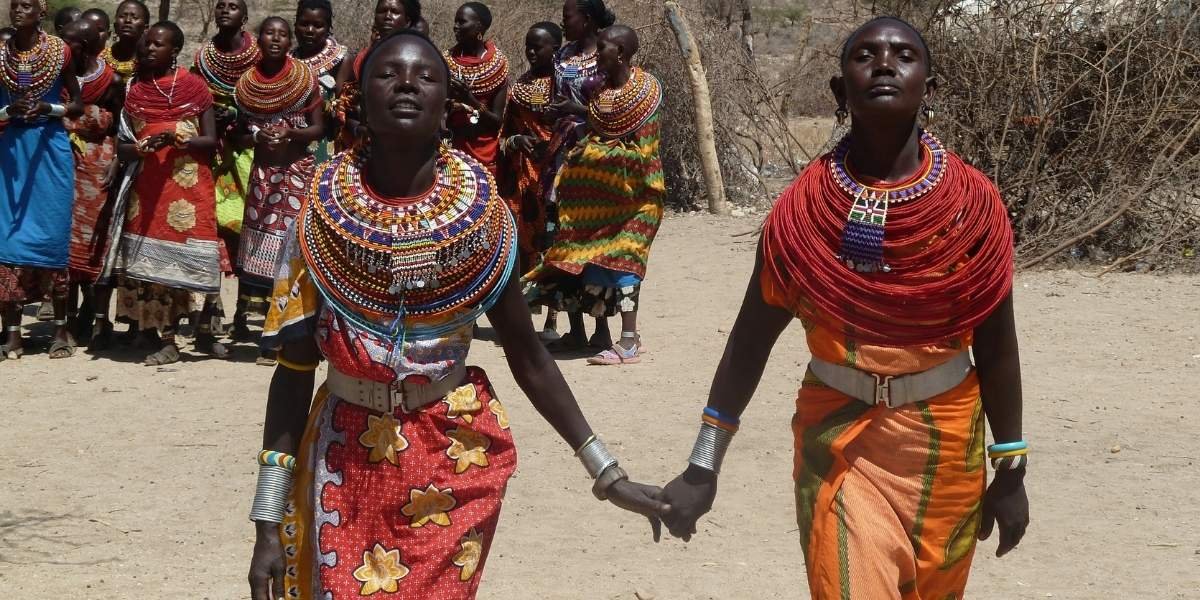
African dance continues to influence global arts and movements by shaping modern dance styles, music trends, fashion, and social expression. Its rhythms, body movements, and cultural meaning have spread across continents, becoming a strong foundation for many global creative forms today.
African dance is not one single style. It includes many traditions from different regions, each with its own rhythm and purpose. These dances often connect to daily life, storytelling, and community events. Movement is usually linked to music, especially drums, and focuses on the whole body rather than fixed steps. This approach has influenced how modern dance is performed worldwide.
One clear example is its impact on popular dance styles. Hip-hop, street dance, and even some forms of contemporary dance show strong African roots. Movements such as grounded steps, isolations, and rhythmic footwork come from traditional African dance forms. Dance scholar Kariamu Welsh Asante explained, “African dance centers the body in rhythm, not just movement. That idea changed global dance language.” This shift helped dancers move away from rigid structures to more expressive styles.
Recent cultural data highlights this influence. A 2024 global arts review found that over 65% of viral dance trends on social media platforms included elements linked to African or African diaspora movements. This includes popular challenges that spread quickly across platforms like TikTok. These trends show how African dance continues to shape modern digital culture.
Music and dance are closely connected, and African dance has influenced global music scenes as well. Genres such as Afrobeats, dancehall, and hip-hop rely on dance to drive popularity. Artists often create songs with specific dance moves in mind. This creates a strong link between sound and movement, which attracts global audiences.
Choreographer and creative director Tanisha Scott noted, “Dance from African roots drives how music is felt, not just heard.” This connection has changed how artists produce and promote music. Dance is no longer an extra element. It is a central part of how music spreads and succeeds.
African dance has also influenced performance arts such as theater and film. Many productions now include movement styles inspired by African traditions. These movements add energy, emotion, and cultural depth to performances. In global cinema, dance scenes often use African-inspired choreography to create powerful visual impact.
Fashion is another area where this influence appears. Dance movements often shape clothing trends. Loose, flexible outfits that allow full-body motion have become popular in streetwear and performance fashion. Patterns and colors inspired by African culture are also widely used in global design.
The influence goes beyond entertainment. African dance plays a role in social movements and cultural identity. It is often used to express unity, resistance, and pride. In protests and public gatherings, dance becomes a form of communication. It can share messages without words and bring people together.
A 2023 cultural participation study found that community dance events inspired by African traditions increased by 28% in major cities worldwide. These events are not limited to African communities. People from different backgrounds join to celebrate movement and shared experience. This shows how African dance creates connection across cultures.
Education has also expanded its reach. Dance schools and universities now include African dance in their programs. This helps preserve traditional forms while also teaching new generations. Students learn not only movements but also the cultural meaning behind them.
However, there are challenges. As African dance becomes more global, there is a risk of cultural misunderstanding or lack of credit. Some creators use movements without acknowledging their origins. This raises concerns about cultural respect and representation.
Dance researcher Dr. Yvonne Daniel stated, “Recognition matters. When African dance is shared, its history should travel with it.” This highlights the importance of education and awareness in global arts.
Technology has helped spread African dance even further. Online platforms allow dancers from different countries to learn and share styles بسهولة. This has created a global network of dancers who exchange ideas and techniques. It also gives African creators more visibility and control over their work.
The business side of dance has also grown. Dance workshops, online classes, and performances based on African styles generate income for artists. This supports cultural sustainability and provides opportunities for creators. Data from creative industry reports shows that dance-related digital content linked to African styles grew by 35% in revenue between 2022 and 2024.
Despite its growth, the core of African dance remains the same. It focuses on community, rhythm, and expression. These values continue to attract people worldwide. The ability to adapt while keeping its roots strong is a key reason for its lasting influence.
African dance continues to shape global arts and movements through its strong connection to rhythm, culture, and expression. Its influence can be seen in modern dance, music, fashion, and social action. As it spreads, the focus on respect and understanding becomes more important. With continued recognition and support, African dance will remain a powerful force in global creativity.