

Black entrepreneurship has a long and storied history, shaped by both remarkable resilience and significant challenges. From the era of slavery, where individuals found ways to conduct business, to the thriving districts that emerged during the Jim Crow era, Black business owners have always been a cornerstone of their communities. They were not just selling goods; they were building an infrastructure of self-sufficiency. Today, Black entrepreneurs continue this legacy, demonstrating how their businesses can be a powerful engine for change, opportunity, and empowerment in a modern world.
The journey of Black entrepreneurship is a testament to the ability to innovate and create in the face of systemic obstacles. Historically, Black communities were often denied access to mainstream financial institutions, which meant starting a business required immense personal sacrifice and a reliance on informal networks. Many successful ventures were built with personal savings or money from family and friends, a practice that remains common. Despite these hurdles, Black business owners have consistently created economic pathways for themselves and those around them, fostering a sense of pride and autonomy.
The growth of Black-owned firms in recent years shows a continued push for economic independence. From 2017 to 2022, the number of majority Black-owned firms in the U.S. grew significantly, with gross revenue also seeing a substantial increase. This growth is happening across different sectors, from health care and social assistance to professional, scientific, and technical services. Black entrepreneurs are building enterprises that provide high-quality services and create new jobs, contributing billions of dollars to the national economy.
Why Do Black-Owned Businesses Matter So Much to Their Communities?

Photo Credit: Unsplash.com
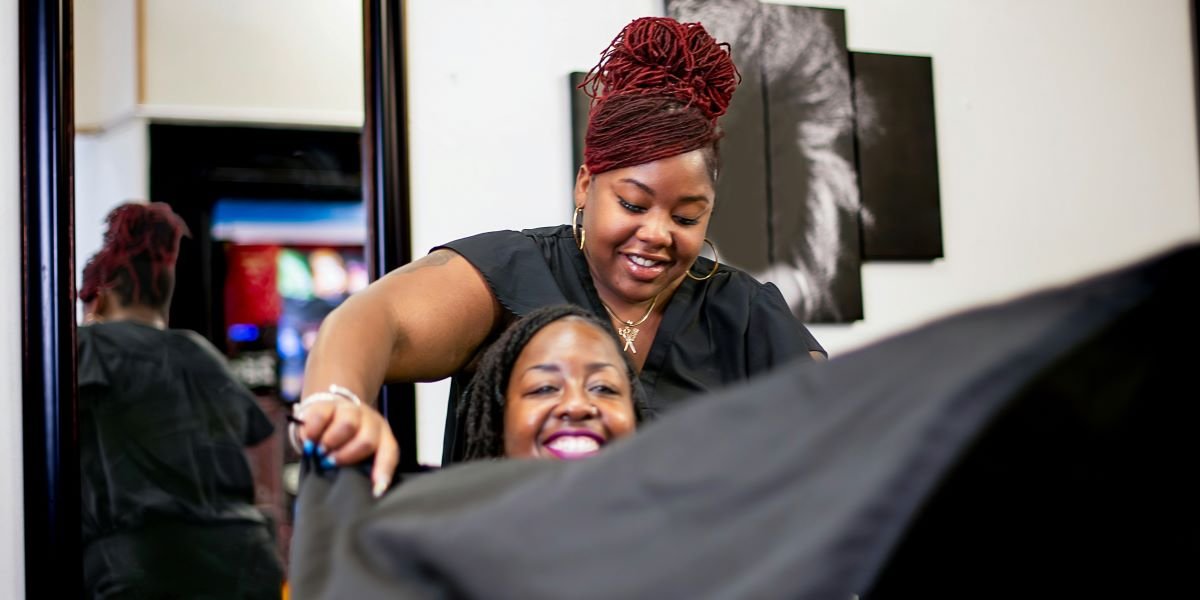
Black-owned businesses are more than just places of commerce. They are often vital social hubs and safe spaces that serve as a foundation for a community’s well-being. These businesses help circulate money within the community, an effect that can create a positive ripple. When a person spends money at a local Black-owned shop, that revenue can support the business owner, who may then hire from the community, or purchase supplies from another local business. This continuous cycle strengthens the local economy from the inside out.
Beyond the direct economic impact, these businesses also address needs that are sometimes overlooked by larger, non-local corporations. They provide culturally relevant goods and services, often becoming a source of pride for residents who see their own identity and heritage reflected in the marketplace. Whether it is a specialty bookstore, a barber shop, or a restaurant serving traditional cuisine, these establishments offer a sense of belonging and representation. This presence helps to build social cohesion and collective well-being.
How Do Entrepreneurs Create Jobs and Opportunities?
One of the most important ways Black entrepreneurs are changing their communities is by creating employment opportunities. These businesses are significant job creators, providing work for millions of people. Many of these jobs are created directly in the neighborhoods where the businesses are located, offering local residents a chance to work closer to home and earn a living wage. These jobs are crucial for individual financial stability and for the overall economic health of the community.
Black entrepreneurs frequently offer a path to mentorship and skill development that might otherwise be unavailable. A new employee might learn valuable skills, gain professional experience, and see a path to leadership. For many young people, seeing a successful Black business owner can be a powerful source of inspiration. It shows them that entrepreneurship is a tangible career path, not just a distant dream. By providing these examples and opportunities, business owners are not just creating a company; they are helping to cultivate the next generation of leaders and innovators.
What Role Do These Businesses Play in Building Wealth?

Photo Credit: Unsplash.com
The creation of new businesses is a critical way to build generational wealth, which is often a challenge for many families. When a business is successful, it can generate profit that can be passed down to future generations, helping to fund education, home ownership, and other life goals. For Black communities, where historical and systemic barriers have limited wealth accumulation, entrepreneurship provides a powerful tool for bridging the gap.
Owning a business allows a person to build equity and acquire assets, which are key components of financial security. For many, business ownership is considered an essential part of their personal financial success. It offers a way to be self-sufficient and to gain control over one’s own economic destiny. This ability to build wealth not only benefits the individual but also lifts up the entire community, creating a more stable and prosperous environment for everyone.
Are Black Business Owners Overcoming Historic Obstacles?
While there has been a lot of progress, Black entrepreneurs still face distinct challenges. Access to capital remains one of the biggest hurdles. Studies show that Black business owners are often denied loans at a higher rate than their white counterparts, even when their credit profiles are similar. As a result, many rely on personal savings and high-interest credit cards to get their businesses started.
The ability to network and find professional support can also be a challenge. Business networks and mentorship opportunities can be difficult to access, which can limit a business’s ability to grow and scale. Despite these ongoing issues, there is a growing ecosystem of support. Community development financial institutions and crowdfunding platforms are providing alternative avenues for funding, while a new generation of Black business owners is creating their own networks to share resources and knowledge. The ongoing story of Black entrepreneurship is one of persistence and innovation, showing that a person can build a business that not only succeeds but also serves as a catalyst for a stronger, more vibrant community.