

By: Cal Parish
When Dr. La’Shardae Scott founded the Scott Center for Observation, Treatment and Transition (S.C.O.T.T.), she wasn’t starting a business—she was building a lifeline. As the mother of two children living with sickle cell disease (SCD), her fight is not theoretical. It’s personal, urgent, and deeply rooted in lived experience.
“There were no resources for sickle cell families in Northwest Ohio,” Dr. Scott recalls. “So I knew I had to create solutions rather than complain.” That realization sparked the birth of S.C.O.T.T., Ohio’s first nonprofit dedicated exclusively to transitioning pediatric sickle cell patients into adult care, a critical—and too often overlooked—stage in a patient’s life.
But before she was leading a movement, she was a mother writing grant proposals at the kitchen table while her sons slept. “I wasn’t just building an organization—I was building a legacy,” she says. “When we opened the doors to the Scott Center, I told them, ‘This is yours. You are the reason.’”
From Crisis to Care
Sickle cell disease affects over 100,000 people in the U.S., predominantly Black and Brown communities. Despite the numbers, care for SCD patients is fragmented, underfunded, and plagued by systemic bias—especially when it comes to pain management. Dr. Scott knows this all too well.
“I had to earn patients’ trust,” she says. “But when they saw me sitting in the ER next to my own warriors, they knew we were in the same fight.” That credibility laid the foundation for what has become a groundbreaking support system for SCD patients and their families.
Dr. Scott is not just a caregiver—she’s an advocate, educator, and nationally recognized leader in healthcare innovation. She co-authored the CDC’s national manual on oral health for sickle cell patients, has been published in the Oxford Journal, and collaborates with hospitals across Ohio to create seamless care pathways.
A Voice That Can’t Be Ignored
Over the years, Dr. Scott has turned her personal pain into public impact. Her awards and honors are extensive: NASW-Ohio Social Worker of the Year, Sickle Cell Advocate of the Year, Mental Health Advocate of the Year, and Toledo’s 100 Most Powerful Black Leaders—just to name a few. Her most recent recognition, the Visionary Social Worker Award from Morgan State University, underscores her growing national influence.
On June 19th, World Sickle Cell Day, and throughout Sickle Cell Awareness Month in September, Dr. Scott’s message rings louder than ever: We must do better. Better access to care. Better transition programs. Better understanding from medical professionals. And perhaps most urgently—more minority blood donations.
“Sickle cell patients depend on regular blood transfusions, and matches are more likely when donors are from the same racial background,” she explains. “If we want to save lives, we need Black and Brown communities to show up and donate.”
A Movement in Motion
Now expanding services into Michigan, Dr. Scott sees a future where S.C.O.T.T. Centers exist across the country, acting as hubs for advocacy, education, and support. “We’re not just helping people navigate healthcare,” she says. “We’re helping them navigate life—school, employment, mental health, family care. This is whole-person, whole-family work.”
And the work is only beginning. Through her leadership, Dr. Scott is challenging outdated healthcare models and offering a blueprint rooted in empathy, education, and equity. Her organization is more than a nonprofit—it’s a movement.
How You Can Help
Want to get involved? Here’s how:
- Donate blood—especially if you’re from a minority background.
- Support the Scott Center through financial contributions or volunteering.
- Raise awareness by sharing Dr. Scott’s story and advocating for sickle cell research and resources in your community.
Recognize the need. Don’t be afraid to speak up. Write down your plan to give blood or volunteer. Implement your plan—because someone’s life depends on it. This isn’t just advocacy. This is revolution through resilience. And Dr. La’Shardae Scott is leading the charge.
Follow the journey and support the mission:
Scott Center YouTube Interview
Oxford Journal Publication
Feature from the University of Kentucky
Stay connected:
📧 Dr. La’Shardae Scott | lscott@scottcenteroh.org
📱 Social: @ScottCenterOH | @Scott Center for Observation, Treatment and Transition
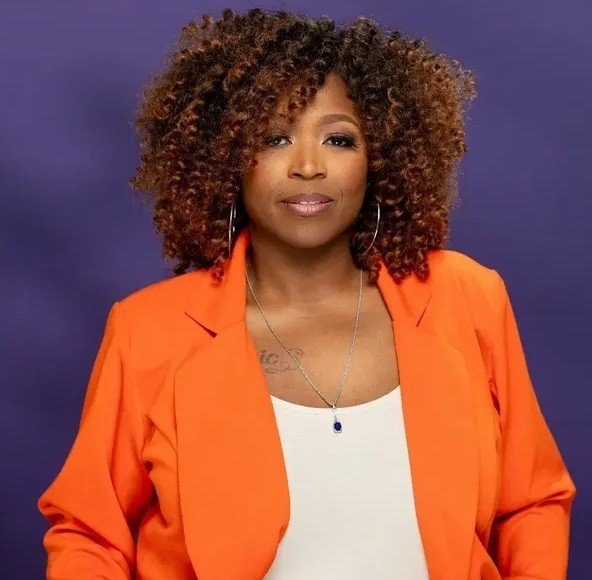
Photo Courtesy: Q11 Photography
Disclaimer: The information provided in this article is for general informational purposes only and reflects the personal experiences and insights of Dr. La’Shardae Scott. It is not intended to serve as medical advice, diagnosis, or treatment. Readers should consult with a qualified healthcare professional for specific medical concerns or treatment related to sickle cell disease or any other health condition.