
For businesses that depend on specialized machinery, vehicles, or tools to generate revenue, the ability to take on more work is often limited not by demand but by equipment capacity. A contractor with one excavator can only run one job site at a time. An HVAC company with a limited number of service vehicles can only dispatch so many technicians in a day. Equipment financing exists to remove that constraint, giving business owners a way to acquire the equipment they need to take on more work without paying the full cost upfront out of working capital.
How Equipment Financing Works
Equipment financing provides capital specifically earmarked for purchasing business equipment, with the equipment itself often serving as collateral for the financing. This structure allows businesses to access funding on favorable terms, since the lender’s risk is partially offset by the value of the equipment being financed, and it allows the business to preserve its working capital for day-to-day operations rather than tying up cash in a large equipment purchase.
Repayment is typically structured over a term that reflects the useful life of the equipment being financed, which means the business is paying down the cost of the equipment over roughly the same period it expects to generate revenue from using it. This alignment between the cost of the equipment and the revenue it helps generate is one of the central advantages of equipment financing compared to depleting cash reserves for a large one-time purchase.
Why Businesses Choose Equipment Financing Over Paying Cash
Even businesses with enough cash on hand to purchase equipment outright often choose equipment financing instead, for a straightforward reason: preserving working capital. A large equipment purchase paid in cash removes that capital from the business entirely, leaving less available to cover payroll, materials, marketing, or unexpected expenses. Financing the purchase instead spreads the cost over time, allowing the business to use the equipment to generate revenue while keeping cash available for other operational needs.
This becomes particularly important for businesses experiencing growth, where the need for new equipment often arrives at the same time as other demands on working capital. A business that is scaling up to meet increased demand may need new equipment, additional staff, and more working capital all at once, and financing the equipment specifically allows the business to address all three needs simultaneously rather than depleting cash reserves on a single large purchase. Spreading the cost over time also makes it easier to budget predictably, since a fixed financing payment is simpler to plan around than the unpredictable cash flow impact of a single large outlay in a given month.
Industries Where Equipment Financing Is Especially Common
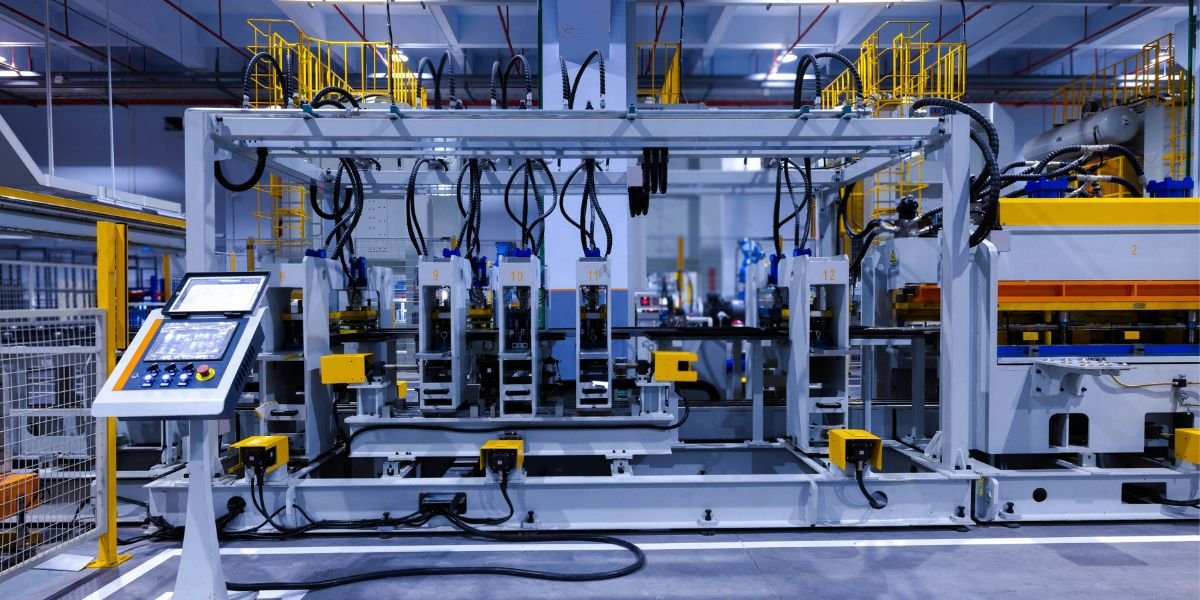
Equipment financing plays a particularly significant role in industries where specialized machinery directly determines how much work a business can take on. Manufacturers rely on production equipment to determine their output capacity, and upgrading or expanding that equipment is often the most direct way to increase production volume. Reviewing how manufacturers use equipment financing to increase output shows how closely equipment capacity and revenue potential are linked in production-based businesses.
HVAC companies represent another clear example, since the number of service vehicles and the equipment carried on them directly limits how many jobs can be completed in a given day. Looking at how HVAC companies use equipment financing to handle more jobs illustrates how financing additional vehicles and equipment allows a service business to take on more work without waiting to save up the full purchase price in cash first.
What Qualifies as Financeable Equipment
Equipment financing generally covers a wide range of physical business assets, including vehicles, machinery, production equipment, construction equipment, medical and diagnostic equipment, and technology infrastructure. The common thread across these categories is that the equipment has a defined, verifiable value and a useful operating life that can be reasonably estimated, both of which factor into how financing terms are structured.
Businesses considering equipment financing should have a specific piece of equipment, or a defined category of equipment, in mind before applying, along with a clear sense of its cost and expected impact on the business’s operations. This specificity helps streamline the underwriting process, since the lender can evaluate the financing request against the actual value and expected use of the equipment being purchased.
How Underwriting and Approval Work
Underwriting for equipment financing considers both the business’s overall financial health, including revenue and cash flow, and the specific equipment being financed, including its value and expected useful life. Because the equipment itself often serves as collateral, businesses with limited operating history or a credit profile that would not clear a traditional bank’s threshold can frequently still qualify, provided the business demonstrates sufficient revenue to support the financing payments and the equipment itself holds clear, verifiable value.
Business owners interested in understanding the specific documentation and criteria involved can review Fundivi’s equipment financing qualification guide, which outlines what information is typically needed to move from application to a funding decision.
Timing an Equipment Purchase Around Growth
One of the most important strategic considerations with equipment financing is timing. Businesses that wait until they are at full capacity to finance new equipment often find themselves turning away work in the interim, while businesses that finance equipment too far ahead of actual demand may end up carrying payments on equipment that is not yet generating proportional revenue. The ideal timing generally aligns with a clear, near-term increase in demand or contracted work that the new equipment will directly support, ensuring the financing payments are offset by revenue from the start rather than straining cash flow during a slower ramp-up period.
Comparing Equipment Financing to Other Funding Options
While equipment financing is specifically structured around acquiring physical assets, it is worth understanding how it compares to more general funding products when a business has multiple, overlapping needs. A business that needs new equipment alongside additional working capital for payroll or materials may find that combining equipment financing with a separate working capital product addresses the full scope of its needs more precisely than trying to stretch a single product to cover both purposes. Reviewing Fundivi’s full range of business loan products can help clarify which combination of funding types best matches a specific growth plan.
Equipment Financing Versus Leasing
Business owners sometimes weigh equipment financing against leasing, and the right choice depends largely on how long the equipment is expected to remain useful and whether ownership matters to the business’s long-term plans. Financing builds toward ownership, which tends to make more sense for equipment with a long useful life that the business expects to rely on for years. Leasing can make more sense for equipment that becomes outdated quickly or that a business only needs for a defined project. Understanding which category a specific piece of equipment falls into before applying can help clarify which structure will actually serve the business better over time, rather than defaulting to whichever option has the lower initial payment.
Getting Started With Equipment Financing
For businesses where equipment capacity is the primary constraint on taking on more work, equipment financing offers a direct path to removing that constraint without depleting working capital in the process. The key to a smooth process is coming in with a clear picture of the specific equipment needed, its cost, and how it connects to a concrete increase in business capacity or revenue, since that clarity speeds up underwriting and helps ensure the financing terms align well with the actual value the equipment will generate.
Frequently Asked Questions
Can Equipment Financing Cover Used Equipment, Or Only New Purchases?
Financing terms can vary depending on the specific equipment and its condition, so it is worth confirming how a given piece of used equipment will be evaluated during underwriting.
Does Equipment Financing Require A Down Payment?
Down payment requirements, if any, depend on the specific financing terms offered, which are influenced by the value and type of equipment being financed.
What Happens To The Financing If The Equipment Is Damaged Or Becomes Unusable?
Businesses should review the specific terms of their financing agreement regarding equipment damage or loss, since this can affect ongoing payment obligations.
Can A Startup With Limited Operating History Qualify For Equipment Financing?
Qualification depends on a combination of business revenue, the value of the equipment being financed, and overall financial health, so newer businesses with strong current revenue may still qualify.
Is Equipment Financing Available For Multiple Pieces Of Equipment At Once?
Yes, equipment financing can often be structured to cover multiple pieces of equipment within a single financing arrangement, depending on the total value and the business’s overall qualification profile.
Disclaimer: This article is for informational and educational purposes only and does not constitute financial, legal, tax, or professional advice. Financing terms, eligibility requirements, interest rates, fees, repayment obligations, and approval criteria may vary depending on the lender, applicant, equipment, and other factors. Businesses should carefully review all financing terms and consult with qualified financial, legal, or tax professionals before making funding or investment decisions. References to financing products or services do not guarantee approval, specific rates, terms, or financial outcomes.