

Street art has long been a mirror for social reality. For Black communities, it has become more than visual expression—it’s a public record of struggle, pride, and solidarity. Murals and graffiti pieces across cities like Atlanta, Chicago, and Los Angeles don’t just decorate walls; they document history. They tell stories that were once ignored, turning concrete into a form of conversation.
The Roots of Expression in Public Spaces
Street art began as a way to reclaim visibility in environments that often erased Black identity. During the late 20th century, graffiti was labeled vandalism, yet it emerged as one of the few open forums for self-expression available to young Black artists. Using color, form, and words, they transformed neglected spaces into living canvases.
Many early muralists saw their work as community storytelling. They painted local heroes, cultural figures, and events that shaped neighborhood identity. Public walls became gathering points where history and art intersected. This democratization of art—taking it outside galleries—allowed anyone walking by to engage, question, or feel represented.
Even as cities began regulating graffiti, the artistic intent remained strong. Artists continued to use the medium to share experiences of displacement, racial inequality, and hope. These works carried meaning not only through imagery but also through their presence in neighborhoods undergoing social change.
Murals as Public Memory and Protest
Public art often becomes a reflection of collective emotion. After major events affecting Black communities, walls have transformed overnight into memorials. Following the deaths of George Floyd and Breonna Taylor, murals appeared worldwide, uniting people across different cultures in shared grief and awareness.
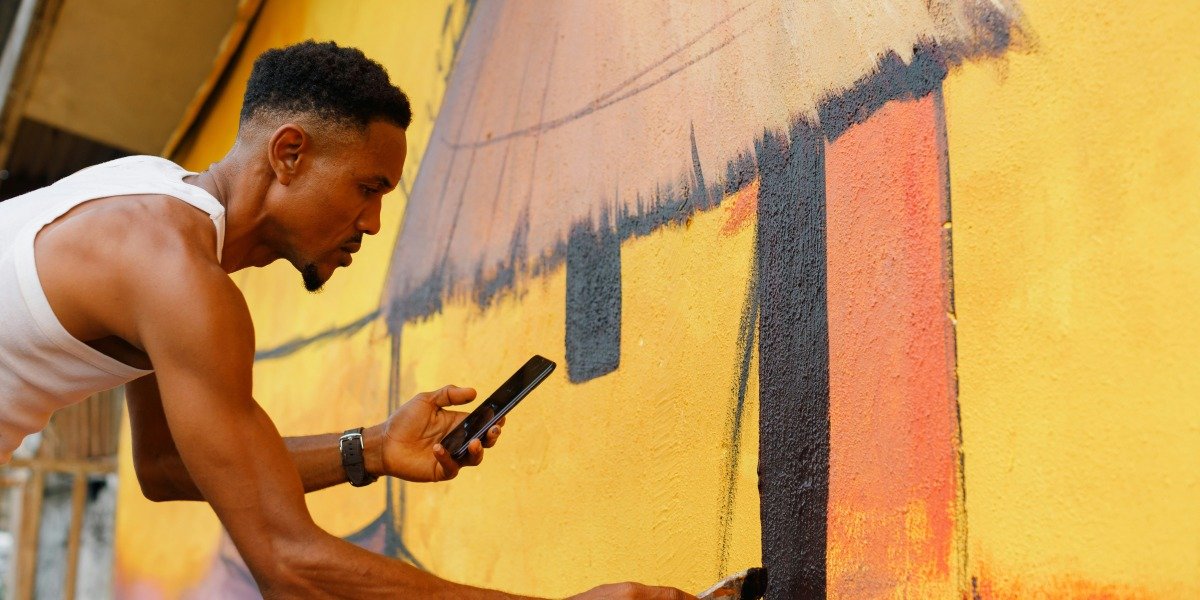
Photo Credit: Unsplash.com
These works didn’t appear as acts of defiance alone; they emerged from empathy. They reminded passersby that injustice doesn’t exist in isolation. The paint told stories that official reports couldn’t—of pain, resilience, and collective determination. Each mural became a visual archive, ensuring that memory didn’t fade as news cycles shifted.
Art critics have noted how these expressions redefine what protest means. Rather than confrontation, they create conversation. They offer moments of quiet recognition, encouraging understanding through shared space. Street art brings activism to everyday life, embedding it into the visual rhythm of a city.
Community, Collaboration, and Healing Through Art
Street art also builds community. Many mural projects now involve residents, children, and local leaders. Artists organize workshops where participants contribute brushstrokes or ideas, making the final piece a shared accomplishment. This collaboration transforms walls into symbols of ownership and pride.
Public art has therapeutic value, too. It can help communities process trauma and recover collective confidence after hardship. Creating a mural is often less about perfection and more about participation—the process of creating together becomes its own form of healing.
This sense of shared authorship strengthens social ties. When communities see their own experiences reflected in color and form, it restores visibility. It affirms belonging in environments where people often feel unseen. Art becomes a bridge, connecting personal stories to public acknowledgment.
The Role of Black Artists in Shaping Cultural Awareness
Black muralists and graffiti artists have expanded how the public understands both art and activism. Artists such as Kehinde Wiley, who reinterprets classical portraiture, and contemporary muralists like Brandan “BMike” Odums, use their platforms to challenge perception and affirm identity.
Their work pushes past aesthetics. It redefines whose stories are worthy of permanence. Street art gives visual weight to lives and histories that mainstream culture has long overlooked. By transforming neglected walls into open-air galleries, these artists challenge traditional power structures in the art world.
Through these public creations, new generations are reminded that art is not only for display—it’s also for dialogue. It invites conversation about inequality, history, and imagination. It also reaffirms that creative expression is a form of agency, one that anyone can use to claim space and voice.
The Continuing Message on City Walls
Street art continues to evolve with technology, social media, and shifting public attitudes. But its purpose—to communicate truth and emotion—remains constant. Each mural, whether in a small alley or across an entire building, becomes part of a larger movement toward understanding and unity.
For Black artists and communities, street art is both personal and collective. It doesn’t just record struggle; it also paints the possibility of change. The walls of cities stand as witnesses to that journey—alive with color, history, and hope for what’s next.