


The world of film has always been a reflection of societal shifts, and perhaps no trend is more indicative of the modern era than the perceived shortening of movie runtimes. While not every film adheres to this, a general sentiment persists that cinematic experiences are becoming more concise. This shift is deeply intertwined with fundamental changes in how people consume content, primarily driven by the rise of streaming platforms and the evolving nature of human attention spans & streaming habits in a digitally saturated world.
The traditional model of cinema, where audiences committed to a single, uninterrupted viewing experience, has been challenged by an abundance of easily accessible, often short-form, digital content. This constant exposure to bite-sized entertainment has subtly reshaped neurological pathways, leading to a diminished tolerance for prolonged narrative exposition. As a result, filmmakers and studios are increasingly adapting to meet these new audience expectations, recognizing that engagement is paramount in a crowded entertainment landscape.
How Have Digital Content and Streaming Platforms Influenced Attention Spans?
The proliferation of digital content, particularly through social media platforms and short-form video formats, has had a profound impact on collective attention spans. Platforms that deliver endless streams of rapidly changing, highly stimulating content have conditioned many individuals to expect immediate gratification and constant novelty. The algorithmic feeds on these platforms are designed to maximize engagement by quickly identifying and serving content that captures interest, often in segments lasting mere seconds or minutes. This constant exposure to rapid-fire information has, for some, reduced the capacity for sustained focus on longer, more complex narratives.
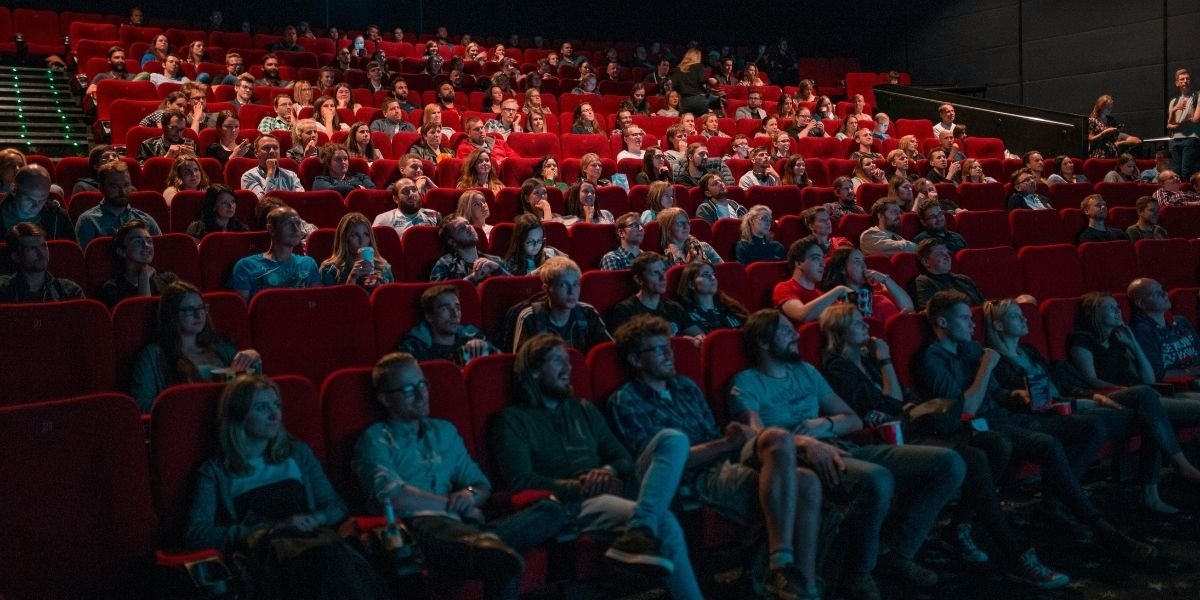
Photo Credit: Unsplash.com
This shift in how individuals engage with media directly affects their expectations for all forms of entertainment, including feature films. When a person is accustomed to effortlessly skipping to the next piece of content if something doesn’t immediately grab their interest, sitting through a two-hour or longer film without distraction can feel challenging. The continuous stream of notifications from devices further fragments focus, making it difficult to fully immerse oneself in a cinematic world. This evolving landscape of consumption has become a significant consideration for content creators across the entertainment industry.
Are Films Truly Getting Shorter, or Is It Perception?
The question of whether films are genuinely getting shorter is complex, with data presenting a nuanced picture. Some analyses suggest that the average runtime of all films released has indeed seen a slight decrease over certain periods, particularly in the mid to late 20th century. This earlier reduction was partly attributed to the rise of home video, where the economic incentives for quick, re-watchable content differed from theatrical releases. However, more recent data indicates that the most popular and highest-grossing films, especially blockbusters and prestige dramas, have often trended towards longer runtimes. This suggests a bifurcation in the market, where certain cinematic experiences are designed to be immersive, epic events.
Despite the data showing that top-tier films might be extending in length, the perception of films getting shorter persists, often driven by the vast quantity of content available and the individual’s habits. Many viewers consume films at home, where the ability to pause, take breaks, or even multitask is readily available. This changes the viewing dynamic significantly from a dedicated theatrical experience. Additionally, the sheer volume of shorter, episodic content available on streaming platforms can make even moderately long films feel comparatively lengthy in a landscape dominated by quick, consumable entertainment.
How Do Streaming Habits Influence Film Length and Production?
Streaming platforms have fundamentally altered the economics and creative incentives surrounding film production, directly influencing decisions about film length. Unlike traditional theatrical releases, where longer runtimes could reduce the number of daily showings and thus potential ticket sales, streaming services prioritize audience engagement and retention. While some might assume this encourages shorter films, the reality is more complex. Streaming platforms benefit when users spend more time on their service, and a longer, highly engaging film can contribute significantly to total watch time.
However, the competition for subscribers means that platforms must consistently offer fresh, compelling content that can immediately capture and hold viewers. This pressure can lead to a preference for narratives that get to the point quickly, minimizing slow builds or extended exposition that might cause a viewer to “abandon” a film early. The data collected by streaming services on viewer drop-off points can also influence future content strategies, indirectly encouraging pacing that caters to contemporary patterns, even if the overall runtime doesn’t drastically decrease.
What Are the Creative and Economic Pressures on Filmmakers?
Filmmakers and studios today face a dual pressure: to create compelling narratives while also acknowledging the evolving habits of their audience. Creatively, telling a story within a shorter timeframe demands greater efficiency in pacing, character development, and plot progression. Every scene must earn its place, and unnecessary exposition or prolonged sequences are often trimmed to maintain viewer engagement. This can lead to a more condensed and impactful cinematic experience, but it also challenges traditional storytelling approaches that relied on slower burns and extensive world-building.
Photo Credit: Unsplash.com
Economically, the stakes are high. With massive investments in production, studios need to ensure that films resonate with a wide audience to justify their costs, especially in the competitive streaming wars. This means adapting to consumer preferences for more immediate gratification. While prestige films and blockbusters might still command longer runtimes due to their spectacle or narrative depth, many mid-budget films might be strategically cut shorter to reduce production costs, increase perceived watchability, and better align with the prevailing trends of the general populace, ensuring they capture and retain viewers in a crowded marketplace.
Is This Trend a Permanent Shift in Cinematic Storytelling?
The ongoing interplay between attention spans & streaming platforms continues to shape the future of cinematic storytelling, raising questions about whether the trend toward shorter, more immediate narratives is a permanent shift. While the influence of short-form digital content is undeniable and has certainly conditioned many viewers to expect rapid engagement, it is unlikely that longer, more expansive films will entirely disappear. There remains a significant audience that values immersive, deeply developed cinematic experiences, particularly for event films or critically acclaimed dramas.
Instead of a complete shortening, the industry may be settling into a hybrid model. This involves a diverse range of film lengths, where highly anticipated blockbusters or prestige projects might continue to push runtime boundaries, offering a truly immersive experience that differentiates them from shorter, more casual viewing options. Simultaneously, other films, particularly those designed for quick consumption on streaming platforms, might indeed adhere to more concise formats. Ultimately, the evolution of film length will likely remain a dynamic response to technological advancements, audience preferences, and the creative vision of filmmakers navigating an ever-changing entertainment landscape.