

By: Schiamarelly Pinckert
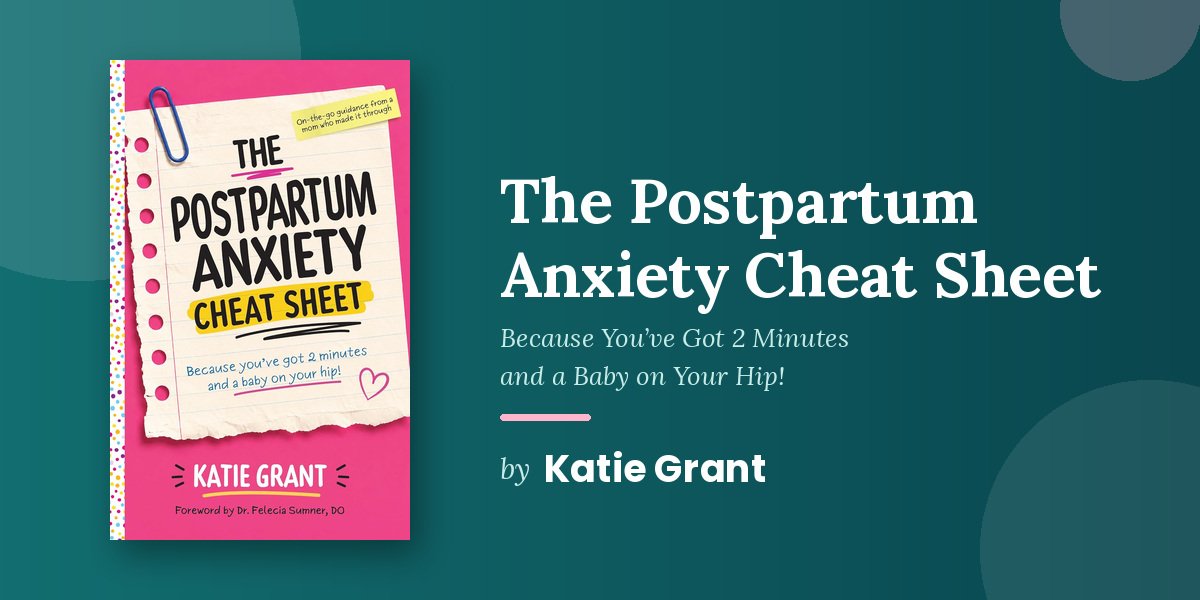
The gap between knowing that postpartum anxiety is common and having access to genuinely useful tools for managing it in real time has never been adequately addressed by the existing literature on the subject, which tends to offer either clinical depth that requires extended engagement or general reassurance that does not translate into practical action. Katie Grant has identified that gap and filled it with The Postpartum Anxiety Cheat Sheet, a resource organized explicitly around the reality of new motherhood rather than around the ideal conditions that most mental health resources assume without acknowledging. The subtitle, because you have got two minutes and a baby on your hip, is not a joke. It is a design specification.
Postpartum anxiety in its various forms is one of the most common and most consistently underrecognized mental health challenges of the new parent period. The condition manifests through racing thoughts, physical symptoms including racing heart and shortness of breath, intrusive and often frightening thoughts about the baby’s safety, an inability to sleep even when sleep is available, and an overall state of hypervigilance that makes the already exhausting work of new parenthood considerably more difficult. What makes it particularly insidious is that many of its symptoms are easy to mistake for appropriate parental concern rather than for a treatable condition, which means that many new mothers experiencing it spend weeks or months wondering what is wrong with them rather than recognizing that what they are experiencing has a name and has help.
Grant addresses both dimensions of this challenge. She provides the recognition framework that helps new mothers understand what they are experiencing, giving the condition the language and the clinical grounding that makes it identifiable rather than merely overwhelming. And she provides the practical tools for managing it in the specific and constrained conditions of new motherhood, organized for quick access and immediate use rather than for extended study. The cheat sheet format she has chosen reflects a genuine understanding of the new mother’s situation: she needs information she can find and use in two minutes, not information she needs to work through before it becomes applicable.
The warmth that runs through the book alongside its practical usefulness is one of its most significant and most appreciated qualities. Grant writes about postpartum anxiety not from the comfortable distance of clinical expertise but with the specific empathy of someone who understands what it feels like to be inside it, managing a baby and managing your own anxious nervous system simultaneously and wondering when this is supposed to start feeling manageable. That quality of genuine understanding is what makes the book feel like a resource rather than a prescription.
If you have been managing postpartum anxiety in the actual conditions of new parenthood and have found that most of the resources available require more time and more sustained attention than new parenthood allows, The Postpartum Anxiety Cheat Sheet by Katie Grant is the book that finally meets you where you actually are. Pick up your copy on Amazon today and give yourself the practical support that was always supposed to be available to you.