

Months before the first parade steps off, the shape of Juneteenth 2026 is already coming into view. Across the country, NAACP branches, city governments, and community organizations have begun publishing programming for the June 19 holiday, and the early calendar points to a familiar but evolving blend: celebration paired with civic engagement, cultural memory paired with economic empowerment. This year carries added weight, arriving as the United States marks its 250th anniversary, a backdrop that sharpens the meaning of a holiday rooted in the long road to freedom.
From Galveston, the Story Still Begins
Juneteenth commemorates June 19, 1865, when Union troops arrived in Galveston, Texas, and General Order No. 3 announced that enslaved people there were free, more than two years after the Emancipation Proclamation. President Joe Biden signed the legislation making it a federal holiday in 2021. More than 160 years after that day in Galveston, the island still anchors the observance. Visit Galveston’s 2026 schedule frames the city’s events as an invitation to reflection and connection as much as celebration, with a parade, live music, storytelling, and educational programs on the ground where the news first broke.
That dual purpose, honoring the past while organizing for the present, threads through nearly every city’s plans.
A Map of Celebration
The geographic spread of 2026 programming reflects how thoroughly Juneteenth has taken root as a national observance. In Atlanta, the 14th Annual Juneteenth Atlanta Parade and Music Festival returns to Piedmont Park June 19–21, folding in a Father’s Day weekend tradition and a parade that has become a fixture of the city’s summer. Pittsburgh’s celebration runs June 18–21 between Point State Park and Market Square downtown, with daily free entertainment and family programming. Norfolk’s festival fills Town Point Park along the waterfront June 19–21, closing the holiday with a fireworks finale. In Charlotte, the Juneteenth Festival of the Carolinas spreads across several days, opening with a youth culture camp and moving through history presentations, a drum circle, and a Gospel Fest.
The momentum reaches the West Coast as well. As Essence noted in its national roundup, San Francisco’s Fillmore District transforms into the Juneteenth SF Freedom Celebration on June 13, with dozens of food and retail vendors lining the route, while Harrisburg, Pennsylvania, stretches its seventh annual JuneteenthHBG across a full week led by the Young Professionals of Color Greater Harrisburg. Smaller communities are organizing too: the NAACP Santa Clarita branch’s third annual Family Day in the Park, set for June 20, brings live music, children’s activities, and a marketplace of local vendors to the Santa Clarita Valley.
Commerce as Commemoration
A defining feature of the modern Juneteenth is how directly it channels celebration into Black economic power. Many of this year’s events build vendor marketplaces into their core programming rather than treating them as an afterthought. Pittsburgh’s festival, for instance, runs a Small Business Economic Impact Zone, a vendor plaza open daily from late morning to night, giving Black-owned businesses sustained foot traffic across the long weekend. Atlanta’s festival spotlights handmade goods from local and international vendors, and Santa Clarita’s family day centers a marketplace of community sellers.
The pattern reflects a wider understanding within the community that freedom and economic opportunity are inseparable, and that a holiday drawing large, engaged crowds is also a chance to move dollars toward Black entrepreneurs.
Reflection Alongside the Festivities
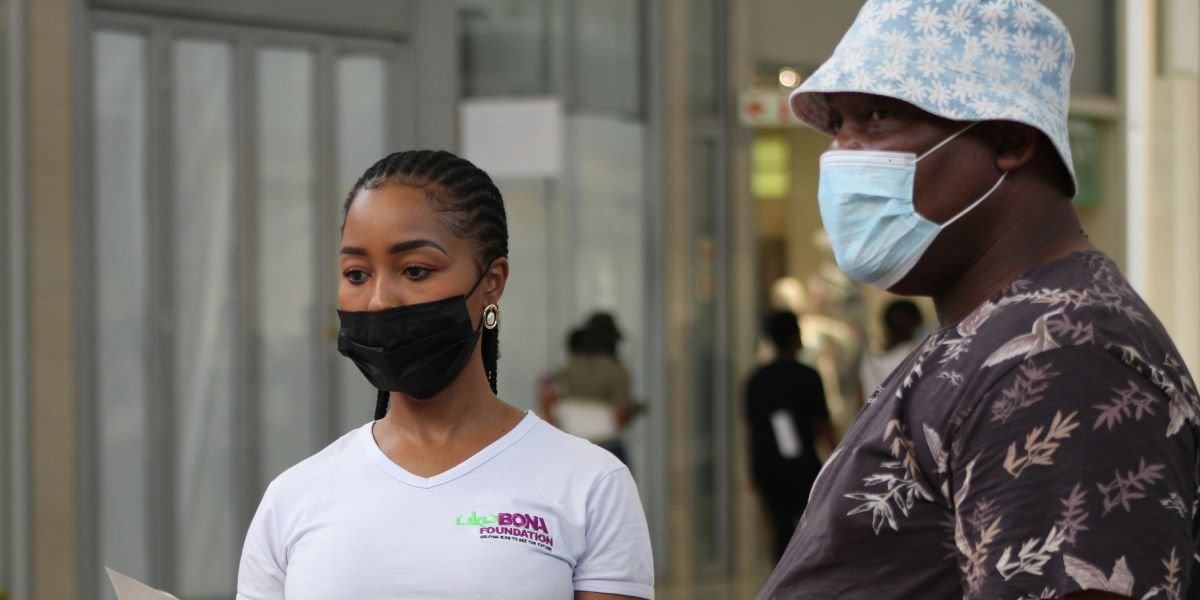
For all the music and food, organizers continue to pair joy with substance. NAACP chapters frame their gatherings as spaces for both culture and civic engagement, often layering in voter registration, health screenings, and community resources alongside the entertainment. In Virginia, the state’s American Revolution 250 Commission is highlighting Juneteenth programming statewide, including interactive sing-alongs exploring songs of slavery and emancipation, staged readings, and racial-healing ceremonies. Elsewhere, living-history reenactments aim to make the events of 1865 tangible for new generations.
That balance, celebration that does not lose sight of history or the work still ahead, has become the holiday’s signature.
A Milestone Year
The timing of Juneteenth 2026 gives it particular resonance. The holiday lands during the nation’s semiquincentennial, its 250th year, a moment when questions about who the country’s founding promises were meant to include sit close to the surface. In Harrisburg, organizers have noted that their celebration coincides with both the 250th anniversary and Pennsylvania’s history as the first state to move toward abolishing slavery, in 1780. The convergence invites communities to hold celebration and reckoning in the same hand.
As the calendar fills in over the coming weeks, the throughline is clear. Juneteenth 2026 is shaping up as a coast-to-coast affirmation of resilience and progress, one that honors how far the journey has come while keeping its eyes on the distance still to travel.