
Community leaders dedicated to preserving Black history and expanding educational access are gaining renewed recognition across the United States, as archival projects, oral history initiatives, and cultural education programs continue to shape how local and national history is understood.
Recent honors tied to Martin Luther King Jr. legacy celebrations and cultural recognition programs highlight a growing focus on documenting Black community stories through grassroots historical preservation, public education, and youth engagement initiatives.
Award Recognition Highlights Grassroots Historical Preservation
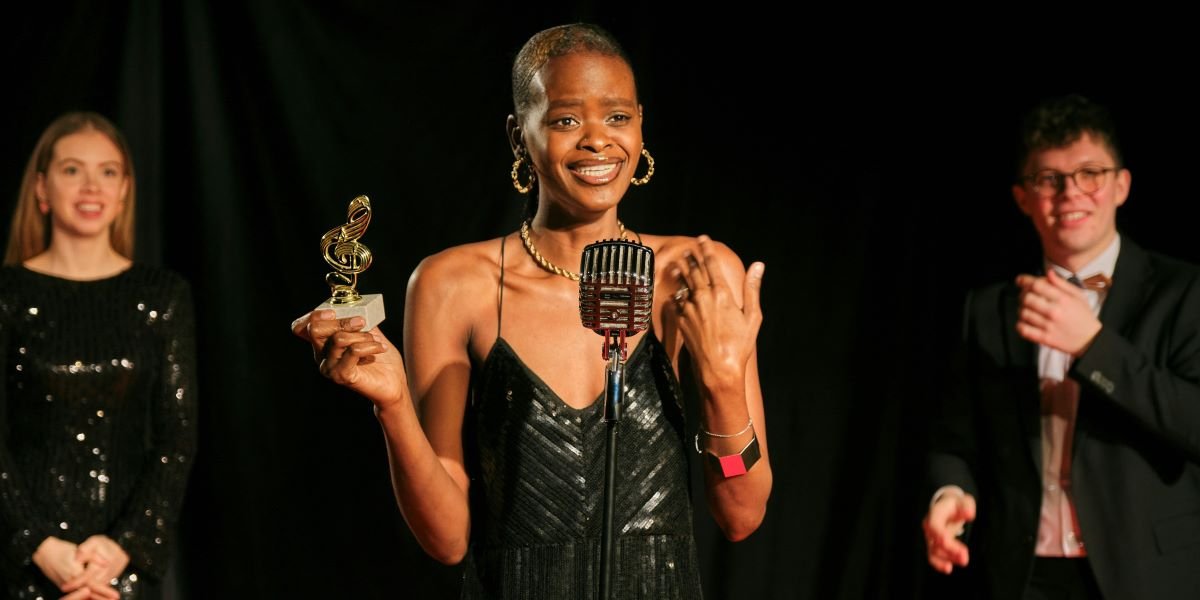
In Michigan, community historian Jennifer Vannette was recently recognized with a Martin Luther King Jr. Drum Major Award for her work preserving regional Black history through the Voices of Black Midland Archive project. The initiative focuses on collecting and protecting oral histories from Black residents to ensure their experiences remain part of the region’s historical record.
The archive originally launched in 2020 to document local Black experiences during a period of national reflection on racial justice, and later expanded under community cultural organizations focused on long-term historical preservation.
Explaining the importance of documenting early Black professional history in the region, Vannette said, “That led to certain challenges the Dorman family and others that came in those first years hired by Dow faced. Dr. Betty Jones has done a wonderful collection of history related to a lot of that work.”
She also emphasized public access and community dialogue as central to the archive’s mission, saying, “We want people to be empowered to bring their own groups together and have conversations. We don’t want gate keeping on this.”
The archive has since expanded into educational outreach, including school presentations, community discussion groups, and digital access programs designed to make historical material more widely available.
Cultural Preservation Efforts Expanding Beyond Local Communities
Across the country, similar recognition programs are highlighting the role of education and cultural storytelling in strengthening communities.
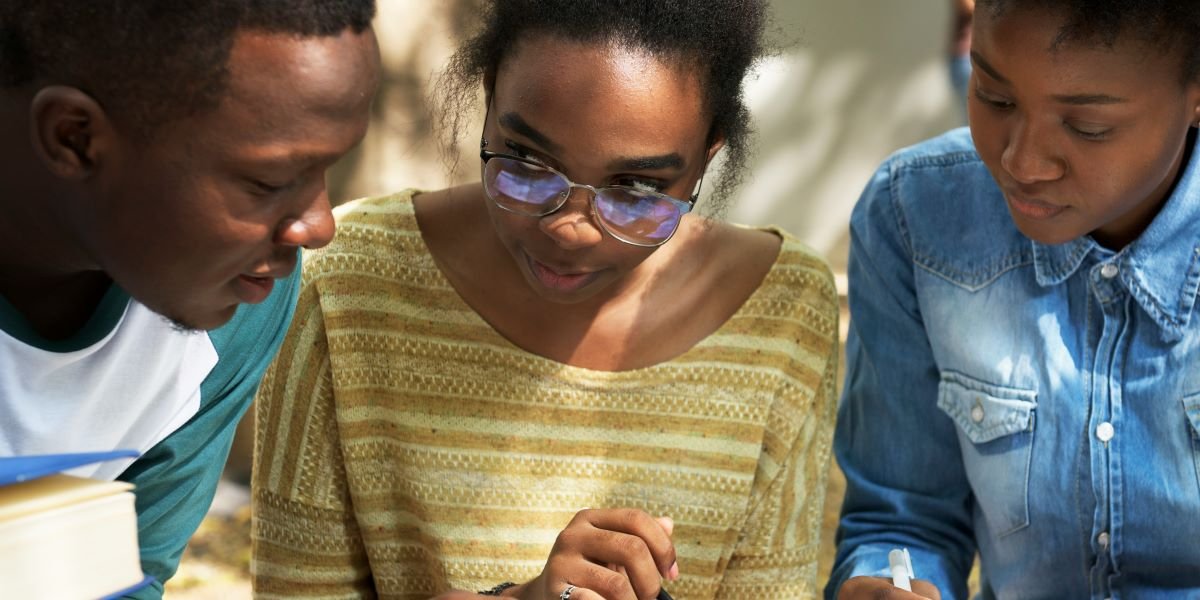
At a recent university MLK celebration event, students and community leaders were honored for achievements tied to equity, civic engagement, and educational leadership. The program emphasized youth leadership development and cross-generational community impact.
Cultural recognition efforts are also expanding into national public awareness initiatives. For example, civil rights educator Dr. Opal Lee—often called the “Grandmother of Juneteenth”—was recently honored in a national cultural program recognizing figures who shaped historical education and social justice awareness.
Oral History Projects Are Becoming Central To Historical Education
Historians and educators say oral history archives are increasingly viewed as essential tools for preserving cultural knowledge that traditional historical records may overlook.
Community-driven archives often capture everyday experiences, migration stories, workplace integration milestones, and cultural traditions that may not appear in official institutional records.
These projects also help connect historical events to present-day economic, educational, and social realities, giving younger generations access to firsthand accounts of community development.
Education As The Long-Term Impact Strategy
Many preservation initiatives are now designed not only to archive history, but to actively integrate it into education systems through school programming, public discussions, and digital storytelling platforms.
The Voices of Black Midland project, for example, has worked with schools and community organizations to build structured discussions around oral histories, ensuring the archive functions as a living educational resource rather than a static historical collection.
A Broader Shift Toward Community-Driven Historical Narratives
Experts note that these efforts reflect a wider shift in how history is documented and taught. Rather than relying solely on institutional archives, communities are increasingly leading preservation efforts themselves, often using digital tools and collaborative storytelling models.
The result is a more inclusive historical record—one that captures cultural identity, community resilience, and the lived experiences of people who shaped local and national history.
As community preservation efforts continue gaining recognition through awards, scholarships, and national honors, leaders say the ultimate goal remains education and empowerment: ensuring that future generations not only learn history, but see themselves reflected in it.