

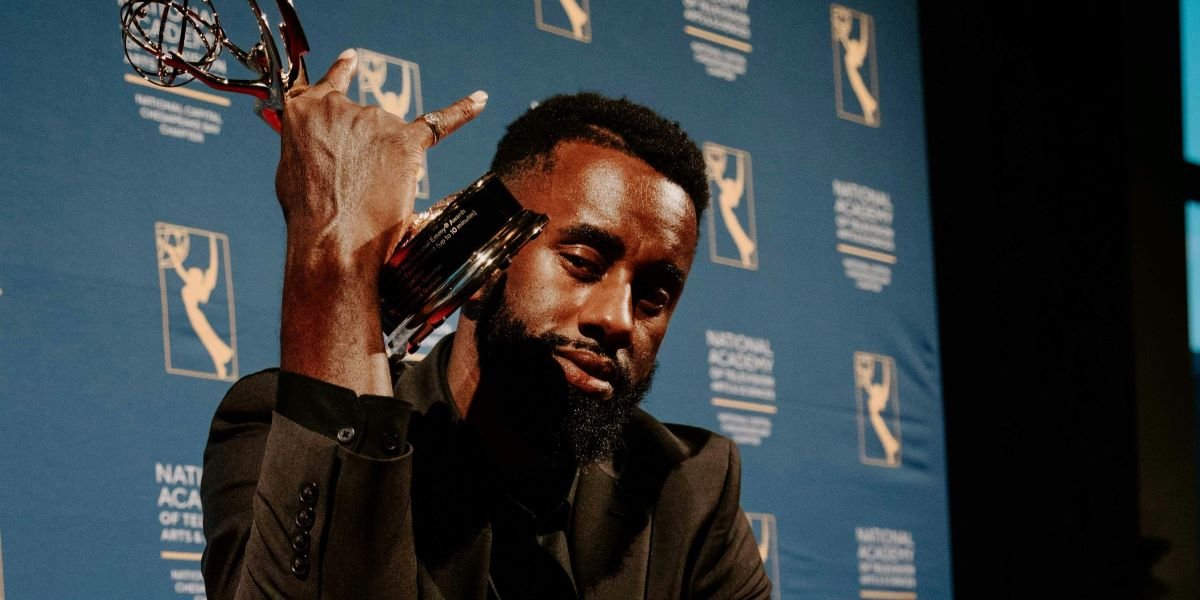
The 78th Primetime Emmy Awards, held September 14, 2026, at the Peacock Theater in Los Angeles, produced no Black acting winners across all 10 major lead and supporting categories. It was the first time in five years that no performer of color won an acting award during the primetime telecast. Ernest Harden Jr., who won Outstanding Guest Actor in a Drama Series for The Pitt at the Creative Arts Emmys the week prior, was the sole Black acting winner of the broader Emmy cycle. The gap between the volume of Black nominees on the ballot and the absence of Black winners on the stage reignited the #EmmysSoWhite conversation that has shadowed the Television Academy for years.
Key Takeaways
- All 10 acting winners across the lead and supporting drama, comedy, and limited series categories at the 78th Primetime Emmy Awards on September 14 were white. It was the first time since 2021 that no performer of color won an acting award during the main ceremony.
- Ernest Harden Jr. won Outstanding Guest Actor in a Drama Series for The Pitt at the Creative Arts Emmys on September 6, becoming the sole Black acting winner of the 2026 Emmy cycle. The 73-year-old actor has been working in the industry since 1974.
- Seventeen performers of color were nominated across the lead and supporting acting categories in 2026, a 39 percent decline from 28 nominations the previous year. The figure peaked at 49 performers of color in 2021.
- Black nominees included Sterling K. Brown (Paradise), Zendaya (Euphoria), Quinta Brunson (Abbott Elementary), Ayo Edebiri (The Bear), Chase Infiniti (The Testaments), Yahya Abdul-Mateen II (Wonder Man), Colman Domingo (Euphoria), and Tyler James Williams (Abbott Elementary), among others.
- Octavia Spencer won at the Creative Arts Emmys for narrating Lost Women of Alaska, and director Salli Richardson-Whitfield entered the ceremony with two nominations.
A Primetime Ceremony with Black Talent on the Ballot but Not on the Podium
The disconnect between nominations and wins was the central tension of the evening. Sterling K. Brown, nominated for Outstanding Lead Actor in a Drama Series for Paradise, entered the ceremony as one of the night’s high-profile contenders. Brown’s performance as Xavier Collins had already earned recognition at the NAACP Image Awards and the Black Reel Awards earlier in the season. Noah Wyle won the category for The Pitt.
Two Black women competed for Outstanding Lead Actress in a Drama Series. Zendaya was nominated for her performance as Rue Bennett in the final season of Euphoria. Chase Infiniti earned a nomination for playing Agnes in The Testaments. Rhea Seehorn won the category for Pluribus. In comedy, Quinta Brunson returned as a nominee for Outstanding Lead Actress for Abbott Elementary, and Ayo Edebiri was nominated in the same category for The Bear. Jean Smart won for Hacks.
The supporting categories told the same story. Colman Domingo was nominated for Outstanding Guest Actor in a Drama Series for Euphoria. Janelle James and Tyler James Williams were both nominated in supporting comedy categories for Abbott Elementary. Jessica Williams was nominated for Shrinking. None converted nominations into wins during the primetime broadcast. The acting trophies went to Matthew Rhys (twice, making Emmy history as the first actor to win across all three lead categories), Sally Field, Stephen Root, Tom Pelphrey, Allison Janney, and Kate O’Flynn, among others.
Sheryl Lee Ralph Called Out the Television Academy Before the Show Started
During the pre-show, Sheryl Lee Ralph, who won an Emmy in 2022 for Abbott Elementary in a moment that became one of that ceremony’s defining images, addressed the Television Academy directly. Ralph noted that Abbott Elementary was nominated for Outstanding Comedy Series against a field that she argued did not consist entirely of traditional comedies. “Abbott Elementary, nominated for best cast,” Ralph said. “I’m looking forward to a win since we’re the only real comedy in the category.” The comment pointed to a structural issue that Abbott Elementary’s team has navigated for multiple cycles: competing in a comedy field that increasingly includes half-hour dramedies, limited series, and genre hybrids alongside network comedies built on a traditional writers’ room model.
Ralph’s willingness to name the problem publicly, before the ceremony rather than after, set the tone for the evening. Abbott Elementary did not win Outstanding Comedy Series. Widow’s Bay took the award, setting a record in the process. The Abbott Elementary cast and creative team went home without a trophy for the second consecutive year despite entering the night with multiple nominations.
Ernest Harden Jr. Made History a Week Earlier, Away from the Primetime Cameras
The sole Black acting winner of the 2026 Emmy cycle earned his award on September 6, during the Creative Arts Emmy ceremony that precedes the primetime telecast by more than a week. Ernest Harden Jr. won Outstanding Guest Actor in a Drama Series for his role as Louie Cloverfield on The Pitt, the HBO medical drama that dominated the night with wins including Outstanding Drama Series and Outstanding Lead Actor.
Harden, who is 73 years old and has been working in the industry since 1974, joins a lineage of Black performers who have won in the guest acting category, including Louis Gossett Jr., Charles S. Dutton, Laurence Fishburne, Paul Winfield, Glynn Turman, Joe Morton, Reg E. Cathey, Ron Cephas Jones, Courtney B. Vance, and Colman Domingo. Backstage at the Creative Arts ceremony, Harden reflected on the span of his career. He said the Emmy meant a great deal because he has worked with performers ranging from Robert Redford to Faye Dunaway to Bette Davis, and that the recognition came after five decades of sustained work.
Octavia Spencer also won at the Creative Arts Emmys for narrating Lost Women of Alaska, adding another Black winner to the broader cycle. But neither Harden’s win nor Spencer’s win aired during the primetime ceremony on NBC. Viewers who tuned in on September 14 saw a three-hour telecast in which no Black performer was called to the stage, a visual that carried its own weight regardless of what happened the week before.
The Numbers Show a Pattern That Extends Beyond One Night
The 2026 results sit within a multi-year pattern that has been tracked closely by industry analysts, awards watchers, and advocacy organizations. According to reporting cited by multiple outlets, 17 performers of color were nominated across the lead and supporting acting races in 2026, down from 28 the previous year, a 39 percent decline. The figure peaked at 49 performers of color in 2021.
That decline matters because nominations are the pipeline that produces winners. A shrinking pool of nominees of color mathematically reduces the chances of diverse winners, even before factoring in the dynamics of Academy voting behavior. The legacy of Black actors who have broken barriers in the industry is deep, spanning from Hattie McDaniel’s history-making Oscar in 1940 to Viola Davis’s Emmy win as the first Black woman to take home Outstanding Lead Actress in a Drama Series. But the 2026 results raise the question of whether the institutional infrastructure that shapes nominations and voting is keeping pace with the talent on screen.
The five-year trend shows the fluctuation clearly. In 2022, three performers of color won acting Emmys, including Zendaya for Euphoria and Sheryl Lee Ralph for Abbott Elementary. In 2023, five non-white acting winners took home trophies, including Quinta Brunson. In 2024, four diverse winners were recognized. In 2025, only Tramell Tillman won, making history as the first Black man to win Outstanding Supporting Actor in a Drama Series for Severance. And in 2026, zero performers of color won during the primetime telecast.
The Voting Process and the Volume Problem
Several industry observers have pointed to the structure of the Emmy voting process as a contributing factor. Television Academy members vote across categories, and the sheer volume of eligible content, now spanning broadcast, cable, and a growing number of streaming platforms, means that attention is diffused across hundreds of performances. Shows with large campaigns, established fan bases, and heavy studio backing tend to consolidate votes, which can crowd out performances from smaller shows or from performers whose work may not have received the same promotional investment.
The expansion of the television landscape has created more opportunities for Black performers to lead shows, but it has not necessarily translated into proportional recognition at the Emmys. Abbott Elementary, one of the few remaining network comedies with consistent Emmy nominations, competes against streamers with different audience profiles and different marketing resources. Paradise, a Hulu original starring Sterling K. Brown, earned a lead actor nomination but competed against performances from HBO, Apple TV+, and Netflix in a drama category with deep bench strength.
Director Hiro Murai, who won Outstanding Directing for a Comedy Series for Widow’s Bay, made history as the first Asian person to win in that category. His win was a bright spot for diversity behind the camera even as the acting categories remained static. Salli Richardson-Whitfield entered the ceremony with two directing nominations, reflecting the growing presence of Black women in television directing even when acting categories trend in the opposite direction.
What the Industry Conversation Looks Like Now
The #EmmysSoWhite hashtag resurfaced across social media within hours of the ceremony’s conclusion. The phrase has become shorthand for a recurring gap between the diversity of talent on screen and the diversity of talent the Television Academy chooses to honor. The conversation is not new, but the 2026 results gave it fresh urgency because the gap occurred in a year when Black performers were visibly present across the ballot.
The question that follows every cycle like this is whether the pattern will prompt structural change or whether it will be absorbed into the next awards season without lasting effect. The Television Academy has made incremental adjustments to voting procedures and membership criteria over the past several years, but those changes have not produced a consistent upward trajectory in diverse wins. The five-year data shows peaks and valleys, not a steady climb.
For the Black performers who were nominated in 2026, the work itself is not diminished by the outcome of a single ceremony. Brown’s career includes three Primetime Emmy wins. Brunson’s Abbott Elementary has reshaped the network comedy landscape. Zendaya has won Emmys before. Harden’s win at 73, after a half century in the industry, carries a weight that no ceremony structure can diminish. The question is not whether the talent exists. The question is whether the systems designed to recognize it are doing so consistently.
FAQs
Did Any Black Actors Win at the 2026 Emmys?
Ernest Harden Jr. won Outstanding Guest Actor in a Drama Series for The Pitt at the Creative Arts Emmys on September 6, 2026. Octavia Spencer won for narrating Lost Women of Alaska at the same ceremony. No Black performers won acting awards during the primetime telecast on September 14.
Which Black Performers Were Nominated at the 2026 Emmys?
Black nominees included Sterling K. Brown (Paradise), Zendaya (Euphoria), Quinta Brunson (Abbott Elementary), Ayo Edebiri (The Bear), Chase Infiniti (The Testaments), Yahya Abdul-Mateen II (Wonder Man), Colman Domingo (Euphoria), Janelle James (Abbott Elementary), Tyler James Williams (Abbott Elementary), and Jessica Williams (Shrinking), among others.
When Was the Last Time No Performers of Color Won Acting Emmys at the Primetime Ceremony?
The most recent year before 2026 in which all primetime acting winners were white was 2021. In 2022, three performers of color won, including Zendaya and Sheryl Lee Ralph. In 2023, five non-white actors won. In 2024, four diverse winners were honored. In 2025, Tramell Tillman was the sole winner of color.
What Is #EmmysSoWhite?
The #EmmysSoWhite hashtag is a recurring social media conversation that resurfaces when the Emmy Awards produce few or no winners of color despite diverse nominee pools. The phrase echoes the earlier #OscarsSoWhite movement that targeted the Academy Awards for similar patterns and prompted changes to membership and voting procedures at the Academy of Motion Picture Arts and Sciences.