

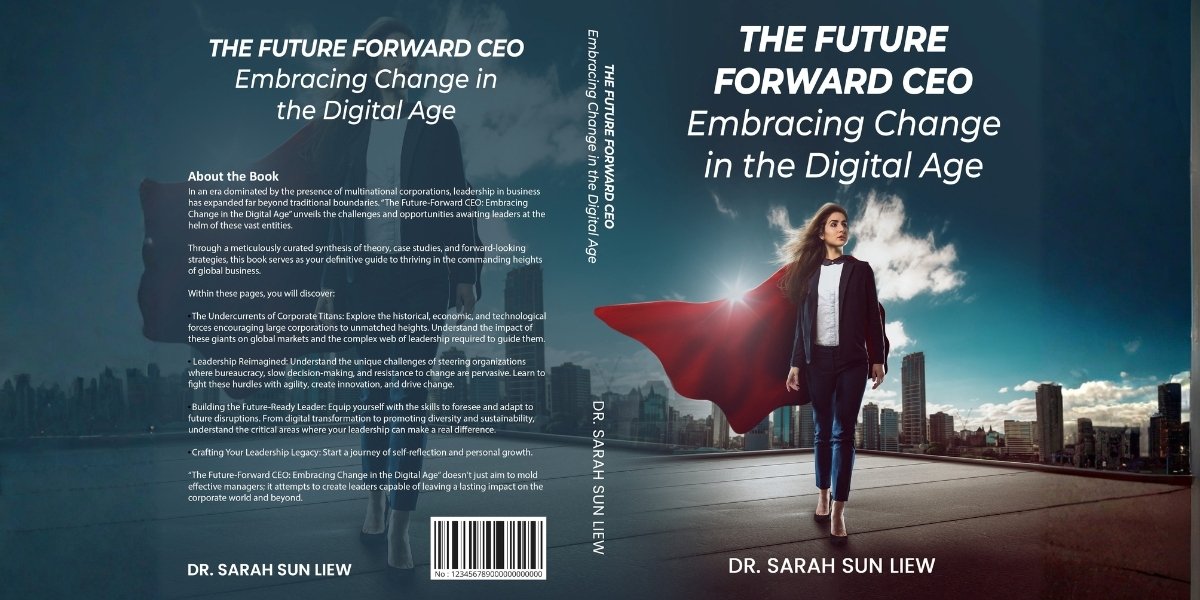
In Chapter 1 of “The Future-Forward CEO: Embracing Change in the Digital Age,” visionary leadership is presented as a critical skill for modern executives. As digital transformation reshapes industries, CEOs must develop and communicate a compelling vision to guide their teams through uncharted territories. This chapter emphasizes the need for leaders to foresee industry changes, adapt their strategies accordingly, and inspire their teams to align with the future direction of the company.
The importance of visionary leadership lies in its ability to:
- Inspire Innovation: Visionary leaders encourage a culture of forward-thinking, helping teams to anticipate market trends and develop innovative solutions.
- Create Purpose: By articulating a clear vision, leaders give their teams a sense of purpose, aligning everyone around common goals.
- Drive Long-Term Success: Visionary leaders keep an eye on future opportunities and challenges, ensuring that their organizations stay ahead of the curve in a fast-evolving market.
In today’s competitive landscape, where technological advances are rapidly transforming business models, the ability to craft and communicate a bold vision is crucial for sustained success. This chapter provides a roadmap for how CEOs can develop this visionary mindset, helping them lead their organizations toward growth and relevance.
Innovation as a Core Competency for Future-Forward CEOs
Chapter 2 of “The Future-Forward CEO” delves into the importance of innovation as a core competency for leaders in the digital age. The chapter argues that the ability to foster and drive innovation is one of the most valuable assets a modern CEO can possess. As technological advancements disrupt industries, leaders must not only adapt but also proactively embrace new technologies and encourage innovation within their organizations.
This chapter discusses:
- Creating a Culture of Innovation: Leaders must foster an environment where creativity and experimentation are encouraged, allowing teams to take risks and develop breakthrough solutions.
- Leveraging Emerging Technologies: CEOs must stay informed about the latest technological trends, ensuring that their companies are not left behind in the digital revolution.
- Collaborating with Cross-Functional Teams: Innovation often happens at the intersection of different disciplines. Leaders must break down silos and encourage collaboration across departments to generate fresh ideas.
In an era where innovation is key to maintaining a competitive edge, Chapter 2 emphasizes that future-forward CEOs must be champions of innovation, constantly seeking new ways to deliver value to customers and stakeholders.
Media Features
AP News Press Release
The US Journal Feature
Author Profile
https://wikitia.com/wiki/Dr._Sarah_Sun_Liew
Direct Contact
(424) 343-7025 / info@meridianwish.com
Learn More
Liberty & MIT (Meridian Institute of Technology)